
What makes a place, service or object humane?
From the yearbooks: Design for DignityThe D4H field guide
Read. Learn.
Meet the field.
A growing library for designing with people living through crisis and displacement. Follow the questions raised by the summits, explore the yearbooks’ ideas, and find useful companions to the Journal’s work.

01
Start with a D4H question.
The 2018 summit’s themes of change, dignity, inclusion and memory, and the 2019 dialogues on communities and stories, remain working questions. These paths connect that archive with Issue 01: Designing for Displacement.
How can shelter become home and arrival become belonging?
From the yearbooks: From Camps to CommunitiesWho defines the problem, and who can change the decision?
From the yearbooks: Designing for Whom?What can local knowledge teach us about building within ecological limits?
From the yearbooks: Local Materials and Local PeopleHow do evidence and representation change whose experiences count?
From the yearbooks: From Data to StoriesWhat carries identity, culture and everyday life through displacement?
From the yearbooks: Design for MemoryHow do we recognise useful work, responsibility and unintended harm?
From the yearbooks: Crises Are Not LaboratoriesWhere can people learn, play, meet and act together?
From the yearbooks: Design Pedagogy for Social Justice02
Build your own reading and learning list.
115 resources
Expanded 17 November 2026. Each entry links to its publisher, organiser or institution and records its source check. Confirmed dates, undated programmes and past-event archives are labelled separately. Follow the official page for applications, registration, fees and changes.
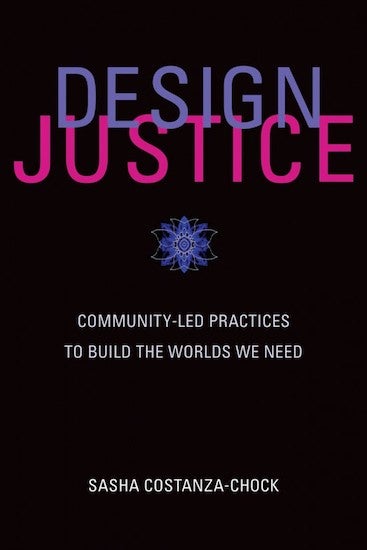
Book · March 2020
Design Justice: Community-Led Practices to Build the Worlds We Need
Sasha Costanza-Chock
Published
Community-led design as a means of confronting structural inequality.
Why D4H A foundation for judging who defines a humanitarian design problem and who holds power.
participation · design ethics · justice
Book cover: The MIT Press. Rights remain with the publisher and credited creators.
Source checked 2026-11-16
Learning & training · 31 January 2027 – 26 February 2027
International Diploma in Humanitarian Assistance — IDHA 63
Institute of International Humanitarian Affairs, Fordham University
Upcoming · dates confirmed
Bangkok, Thailand
Four weeks of residential training in humanitarian sectors, standards, leadership and ethical dilemmas.
Dates are the revised dates announced after postponement. Daily timetable and timezone are not specified on the source.
Why D4H A grounded route from design intentions to operational realities and accountable practice.
humanitarian practice · dignity · shelter
Source checked 2026-11-16
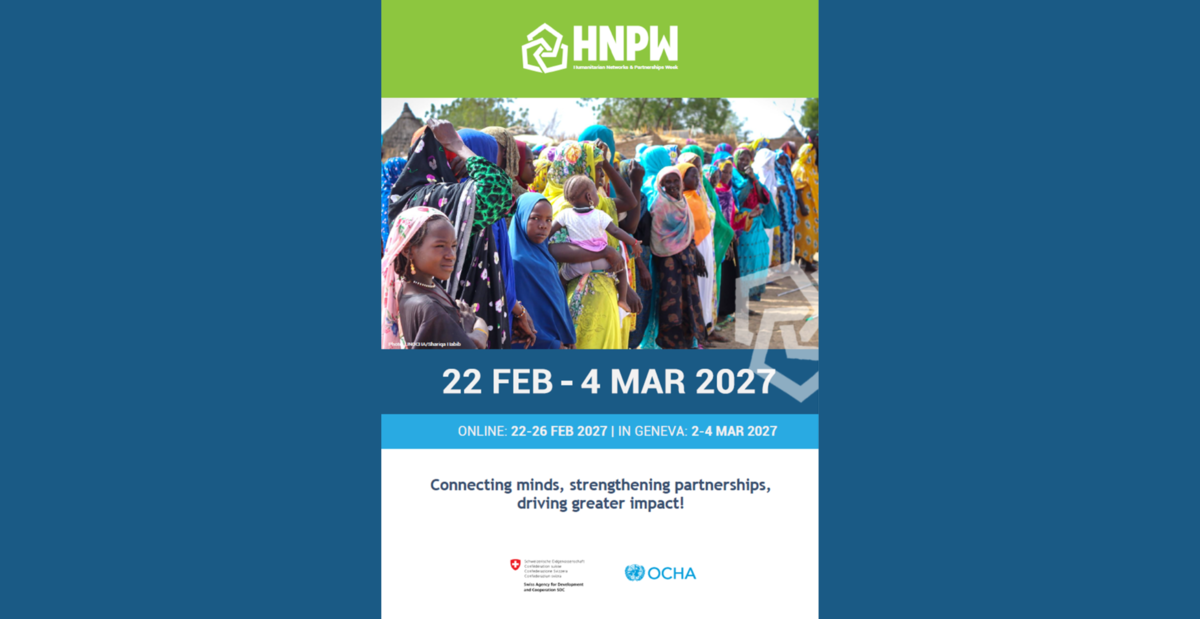
Conference · 22 February 2027 – 26 February 2027
Humanitarian Networks and Partnerships Week (HNPW) 2027 — online
OCHA and the Swiss Agency for Development and Cooperation
Upcoming · dates confirmed
online
A hybrid gathering for humanitarian networks to exchange practice and develop collaboration.
Save-the-date confirmed by the official ICVA humanitarian network. Session timetable and timezone not stated.
Why D4H A place to connect design research with operational networks and cross-sector problems.
humanitarian practice · networks · innovation
Original publisher preview: OCHA and the Swiss Agency for Development and Cooperation.
Source checked 2026-11-16

Book · 2009
Architecture Depends
Jeremy Till
First hardcover 2009; linked paperback 2013.
Published
Architecture is shaped by people, politics, time, budgets and use. Till examines the gap between professional ambitions for control and the changing circumstances in which buildings are designed, constructed and inhabited.
Why D4H A useful challenge to project narratives that claim design alone produces humanitarian outcomes.
architecture · practice · design ethics
Book cover: The MIT Press. Rights remain with the publisher and credited creators.
Source checked 2026-11-17
Resource · 2019
Guidelines on Inclusion of Persons with Disabilities in Humanitarian Action
Inter-Agency Standing Committee (IASC)
Reference guidance
Sector-wide guidance on removing barriers, enabling participation and recognising the capacities of people with disabilities throughout humanitarian response. It connects accessibility to assessment, planning, delivery and accountability.
Why D4H Gives the summit's Design for Inclusion theme operational substance, helping contributors explain whose access improved and how disabled people influenced the design.
accessibility · inclusion · humanitarian practice
Source checked 2026-11-17
Conference · Programme to follow
UK Shelter Forum
UK Shelter Forum
Follow organiser; next dates not confirmed
United Kingdom / online
A practitioner forum for shelter and settlement reconstruction, with presentations linking technical choices to recovery, markets, health and urban systems. Its archive includes material from successive meetings.
The 2026 meeting took place on 7–8 May, online and at LSE. Follow the forum for the next edition.
Why D4H Connects the Journal’s shelter and dwelling questions to the operational systems that determine whether a design can work.
shelter · settlements · disaster recovery · cities
Source checked 2026-11-17
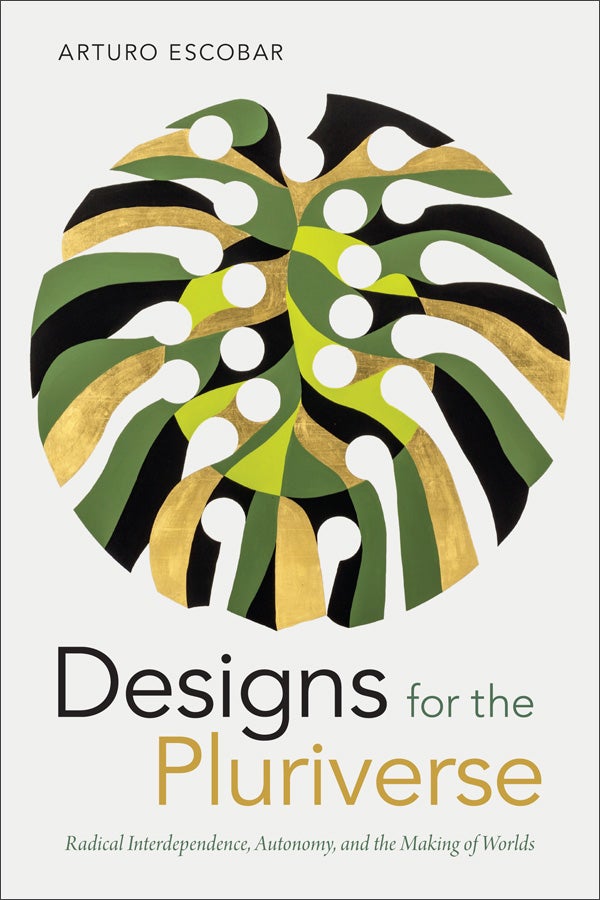
Book · 22 March 2018
Designs for the Pluriverse: Radical Interdependence, Autonomy, and the Making of Worlds
Arturo Escobar
Published
A decolonial account of design grounded in interdependence and place.
Why D4H Challenges a single model of progress and foregrounds local and Indigenous ways of making worlds.
decolonial design · ecology · participation
Book cover: Duke University Press. Rights remain with the publisher and credited creators.
Source checked 2026-11-16
Learning & training · 19 January 2027 – 17 May 2027
Spring 2027 Humanitarian Training Courses
Institute of International Humanitarian Affairs, Fordham University
Upcoming · dates confirmed
Online — asynchronous
Online courses in response management, advocacy and accountability, with certificate and academic-credit pathways.
Course dates may vary by syllabus. Confirm the current application deadline with IIHA.
Why D4H Builds the organisational and ethical skills needed to carry design work into humanitarian institutions.
humanitarian practice · accountability · advocacy
Source checked 2026-11-16
Conference · 2 March 2027 – 4 March 2027
Humanitarian Networks and Partnerships Week (HNPW) 2027 — Geneva with online participation
OCHA and the Swiss Agency for Development and Cooperation
Upcoming · dates confirmed
Geneva with online participation
A hybrid gathering for humanitarian networks to exchange practice and develop collaboration.
Save-the-date confirmed by the official ICVA humanitarian network. Session timetable and timezone not stated.
Why D4H A place to connect design research with operational networks and cross-sector problems.
humanitarian practice · networks · innovation
Original publisher preview: OCHA and the Swiss Agency for Development and Cooperation.
Source checked 2026-11-16
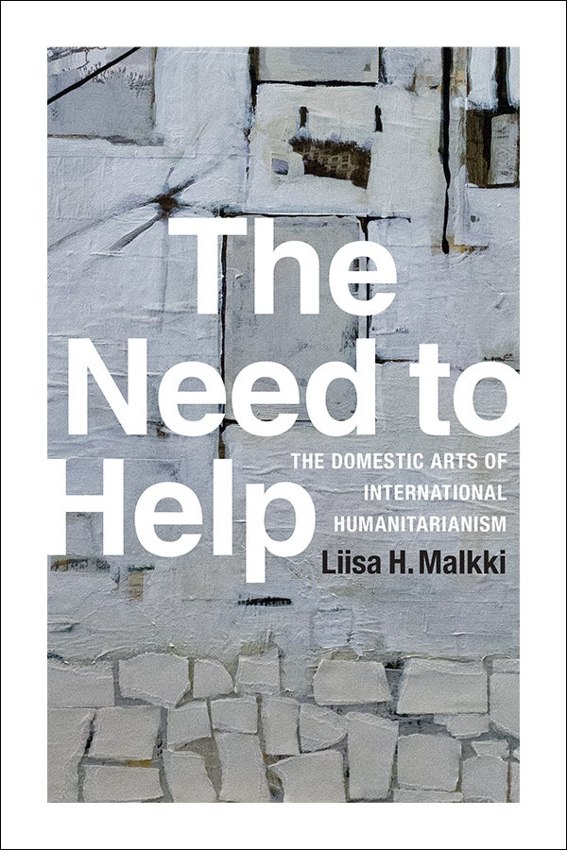
Book · 2015
The Need to Help: The Domestic Arts of International Humanitarianism
Liisa H. Malkki
Published
An ethnographic study turns attention toward aid workers and volunteers, examining how their own needs, attachments and ideas of the wider world shape humanitarian action, from international deployments to handmade gifts.
Why D4H Encourages contributors to examine the motivations and assumptions behind their own interventions.
humanitarian practice · design ethics · care
Publisher preview: Duke University Press. Rights remain with the publisher and credited creators.
Source checked 2026-11-17
Resource · 2018
Humanitarian Inclusion Standards for Older People and People with Disabilities
Age and Disability Consortium / HelpAge International
Reference guidance
A practical framework combining targeted support with inclusion across humanitarian policies and programmes. The standards complement Sphere and the Core Humanitarian Standard rather than treating age and disability as separate service categories.
Why D4H Useful for reviewing whether a shelter, service or public-space proposal addresses people often excluded by assumptions about a typical user.
accessibility · inclusion · standards
Source checked 2026-11-17
Conference · Programme to follow
Shelter Meeting
Shelter Centre
Follow organiser; next dates not confirmed
International / host venue varies
A technical forum bringing humanitarian agencies, specialists and researchers together around case studies, peer review and shared sector priorities. The organiser explains its participation rules and knowledge-sharing approach.
Next dates are not confirmed here. Check the organiser’s eligibility rules before planning participation.
Why D4H A useful bridge between the summit’s interdisciplinary discussions and the detailed constraints of humanitarian implementation.
shelter · humanitarian practice · coordination · standards
Source checked 2026-11-17
Book · 16 October 2018
Mismatch: How Inclusion Shapes Design
Kat Holmes
Paperback shown: 1 September 2020; first hardcover: 16 October 2018.
Published
Stories and methods for recognising exclusion in everyday products and services.
Why D4H Makes accessibility a practical design responsibility across physical and digital environments.
accessibility · inclusion · information
Book cover: The MIT Press. Rights remain with the publisher and credited creators.
Source checked 2026-11-16
Learning & training · 7 December 2026 – 11 December 2026
International Online School in Forced Migration
Refugee Studies Centre, University of Oxford
Upcoming · dates confirmed
Online
An intensive online school creating space for critical reflection on displacement and refugee protection.
Dates confirmed on the provider page; session times and timezone not stated there.
Why D4H Adds policy and rights context to work on belonging, mobility and the built environment.
displacement · protection · dignity
Original publisher preview: Refugee Studies Centre, University of Oxford.
Source checked 2026-11-16
Conference · Programme to follow
World Urban Forum
UN-Habitat
Follow organiser; next dates not confirmed
International / host city varies
A global urban dialogue connecting governments, communities, researchers and practitioners. The thirteenth edition addressed housing as a basis for safer, more resilient cities and communities.
WUF13 took place in Baku, 17–22 May 2026. This is a forum watch-list entry, not an open registration notice.
Why D4H Places displacement, housing and belonging within the wider urban systems that the Journal’s first issue examines.
cities · shelter · displacement · public space
Source checked 2026-11-17
Book · 2011
Humanitarian Reason: A Moral History of the Present
Didier Fassin
Published
Drawing on field research in different national settings, Fassin examines how compassion becomes a basis for governing immigration, poverty, disease and conflict, and how humanitarian intentions intersect with unequal power.
Why D4H Adds critical depth to the summits’ questions about dignity, representation and responsibility.
humanitarian practice · dignity · justice
Publisher preview: University of California Press. Rights remain with the publisher and credited creators.
Source checked 2026-11-17
Resource · 2024 edition
Core Humanitarian Standard on Quality and Accountability
CHS Alliance, Groupe URD and Sphere
Reference standard
Nine commitments describe what people affected by crises should expect from organisations supporting them. The 2024 standard places particular emphasis on rights, participation, local leadership, safe complaints and learning from feedback.
Why D4H A shared framework for assessing accountability in Journal case studies, beyond the visual appeal or technical novelty of a design.
accountability · standards · dignity
Source checked 2026-11-17
Conference · Programme to follow
International Humanitarian Studies Conference
International Humanitarian Studies Association
Follow organiser; next dates not confirmed
International / host cities vary
A biennial research conference on humanitarian action, including its institutions, politics, practices and changing knowledge. The association maintains information about previous editions and their themes.
The 2025 edition was held in Istanbul and Bergen, 15–17 October. Next edition dates are not confirmed in this listing.
Why D4H Helps authors test design arguments against humanitarian scholarship rather than treating design as a self-contained discipline.
humanitarian practice · design ethics · accountability · research
Source checked 2026-11-17
Book · 2020
Data Feminism
Catherine D'Ignazio and Lauren F. Klein
Published
An intersectional approach to the power relations behind data collection and use.
Why D4H Useful for humanitarian mapping, evidence, consent and whose experiences become visible.
information · data ethics · participation
Book cover: The MIT Press. Rights remain with the publisher and credited creators.
Source checked 2026-11-16
Learning & training · 21 June 2027 – 25 June 2027
International Online School in Forced Migration
Refugee Studies Centre, University of Oxford
Upcoming · dates confirmed
Online
An intensive online school creating space for critical reflection on displacement and refugee protection.
Dates confirmed on the provider page; session times and timezone not stated there.
Why D4H Adds policy and rights context to work on belonging, mobility and the built environment.
displacement · protection · dignity
Original publisher preview: Refugee Studies Centre, University of Oxford.
Source checked 2026-11-16
Conference · 2–6 June 2025
Global Platform for Disaster Risk Reduction 2025 — programme and recordings
United Nations Office for Disaster Risk Reduction
Archive
Geneva, Switzerland / online archive
The Geneva gathering’s programme and recordings address disaster risk, climate uncertainty and inclusive resilience. The archive offers a route into policy debates that shape recovery and prevention.
Past event. Programme and recordings remain available; this is not an invitation to attend.
Why D4H Broadens the Journal’s attention from emergency objects and spaces to the institutions and decisions that produce risk.
disaster recovery · adaptation · accessibility · urban climate
Source checked 2026-11-17
Book · 2021
Refugee Heritage
Sandi Hilal and Alessandro Petti / DAAR
Published
A book-dossier challenges the idea that refugee camps have no history worth preserving. Architecture, photography and testimony make the case for recognising the collective memory and political life of displacement.
Why D4H Directly connects the yearbooks’ memory theme with the Journal’s concern for belonging beyond emergency shelter.
displacement · cultural practice · memory · decolonial design
Source checked 2026-11-17
Toolkit
Community Engagement and Accountability Toolkit
International Federation of Red Cross and Red Crescent Societies (IFRC)
Ongoing resource
Tools for assessing, designing, implementing and evaluating community engagement. Used alongside the CEA Guide, the collection helps teams organise participation and feedback as part of everyday programme decisions.
Why D4H Helps contributors show how listening changed a project and how communities could challenge decisions, rather than simply counting consultations.
participation · accountability · community
Source checked 2026-11-17
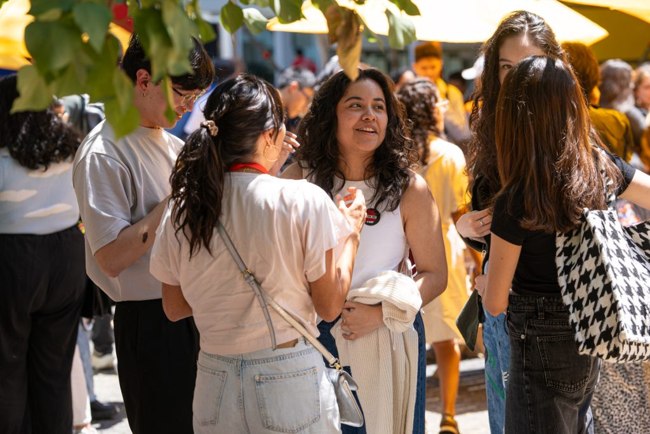
Conference · Programme to follow
What Design Can Do — live events
What Design Can Do
Follow organiser; next dates not confirmed
International / event cities vary
Design conferences and workshops connect creative practice with social and environmental challenges. The international event programme brings designers into conversation with activists, policymakers and other fields.
Follow the live-events programme for newly announced editions. No future event date is inferred from previous years.
Why D4H A comparative model for turning the D4H summit’s conversations into collaborations, public arguments and practical experimentation.
social innovation · design ethics · urban climate · cultural practice
Source: What Design Can Do, official live-events programme.
Source checked 2026-11-17
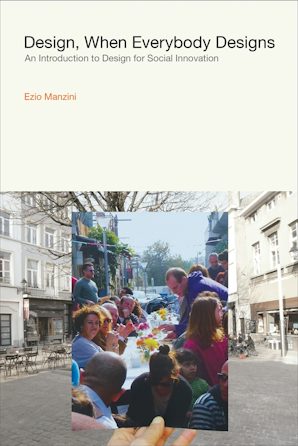
Book · 6 March 2015
Design, When Everybody Designs: An Introduction to Design for Social Innovation
Ezio Manzini; translated by Rachel Coad
Paperback shown: 2 September 2025; first hardcover: 6 March 2015.
Published
How professional designers can support the design activity already present in communities.
Why D4H Connects local capacity, collaboration and lasting social change.
participation · social innovation · community
Book cover: The MIT Press. Rights remain with the publisher and credited creators.
Source checked 2026-11-16
Learning & training
Building a Better Response
International Medical Corps, Concern Worldwide and Harvard Humanitarian Initiative
On demand
Online learning on humanitarian coordination, the cluster approach, emergency planning and standards.
Why D4H Helps designers understand the response systems in which their projects may operate.
humanitarian practice · coordination · standards
Source checked 2026-11-16
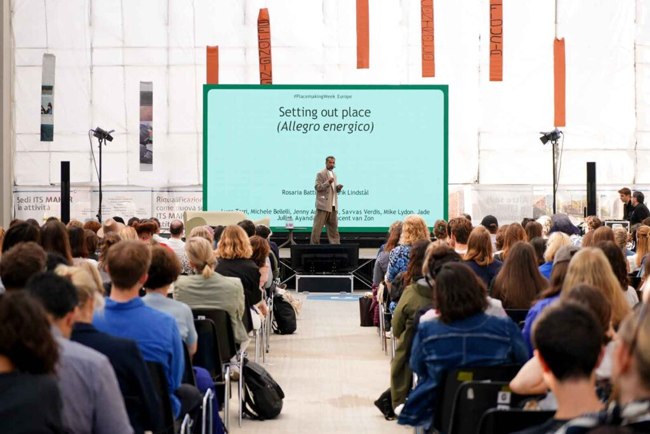
Conference · Programme to follow
Placemaking Week Europe
Placemaking Europe
Follow organiser; next dates not confirmed
Europe / host city varies
A gathering of practitioners, community leaders and urban researchers built around public space, collaboration and visits to local initiatives. Past editions provide examples of how placemaking travels between contexts.
The 2026 edition ran in Wrocław, 22–25 September. Follow the organiser for future hosts and dates.
Why D4H Offers practical comparisons for shared spaces, arrival, everyday belonging and community control.
public space · participation · cities · community
Source: Placemaking Europe, official festival page.
Source checked 2026-11-17
Book · 2018
Permanent Temporariness
Sandi Hilal and Alessandro Petti; edited by Nick Axel and Maria Nadotti
Published
Projects, interviews and collaborative texts explore life within conditions described as temporary but experienced over generations. Architectural interventions, learning spaces and exhibitions become ways of questioning borders, hospitality, heritage and civic participation.
Why D4H A close reading companion for the move from camps to communities and for Casa Azul’s concern with shared space.
displacement · participation · public space · memory
Source checked 2026-11-17
Resource
Data Responsibility: Guidance and Tools
OCHA Centre for Humanitarian Data
Ongoing resource
Guidance for the safe, ethical and effective management of humanitarian data, including IASC operational guidance and OCHA's data-responsibility guidelines. The collection supports decisions about collecting, sharing and using information.
Why D4H A direct companion to From Data to Stories and the Journal's data-without-harm theme, especially where maps or dashboards could expose vulnerable people.
data ethics · information · protection
Source checked 2026-11-17
Conference · Programme to follow
Design Research Society — conferences and proceedings
Design Research Society
Follow organiser; next dates not confirmed
International / host city varies
An international conference series for design research, supported by a digital library of proceedings. Its breadth makes it useful for comparing methods, evidence and emerging debates across design disciplines.
The organiser identifies Edinburgh as the 2026 host. Follow its conference pages for the next confirmed call and schedule.
Why D4H Supports the Journal’s research standards while opening routes to participatory, inclusive and experimental design scholarship.
research · methods · participation · design ethics
Source checked 2026-11-17
Book · 26 July 2022
Designing Peace: Building a Better Future Now
Cynthia E. Smith
Published
Essays, interviews, maps and projects exploring peace as an active design practice.
Why D4H A close companion to D4H across displacement, public space, rights and cultural practice.
peace · dignity · cultural practice
Book cover: Cooper Hewitt, Smithsonian Design Museum. Rights remain with the publisher and credited creators.
Source checked 2026-11-16
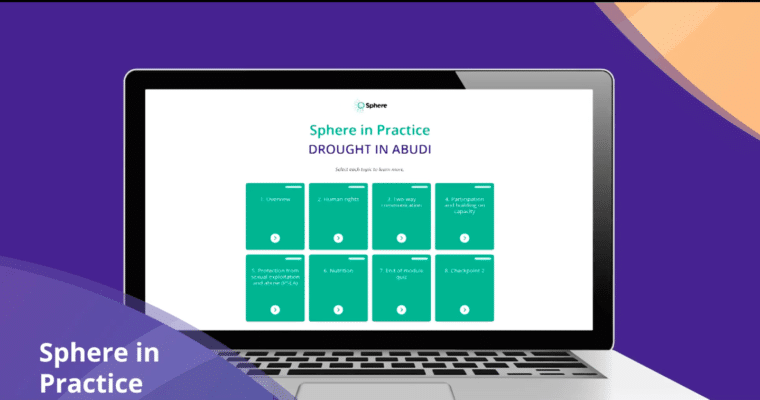
Learning & training
Sphere in Practice
Sphere
On demand
Scenario-based learning on applying humanitarian standards and protection principles.
Why D4H Provides a reference point for evaluating the dignity and quality of practical interventions.
standards · dignity · shelter
Original publisher preview: Sphere.
Source checked 2026-11-16
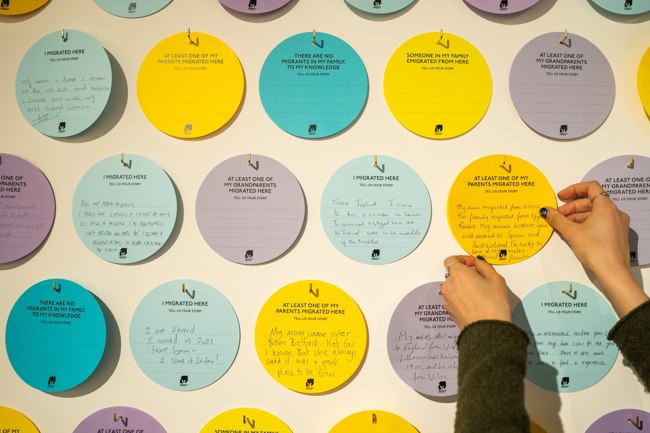
Exhibition · 7 October 2026–14 February 2027
Share Your Story With Us — at Whitechapel Gallery
Migration Museum / Whitechapel Gallery
On view
Whitechapel Gallery, London, United Kingdom
An installation of personal migration stories invites visitors to add their own experiences to the Migration Museum’s collection. Its format turns a museum display into a continuing act of contribution.
Official listing states free entry without booking. Check gallery opening times before visiting.
Why D4H Directly connects the summit’s design for memory and storytelling themes with the Journal’s interest in lived experience and belonging.
displacement · lived experience · cultural practice · participation
Programme archive image: Migration Museum, Leeds. Source asset credits Hamish Irvine.
Source checked 2026-11-17
Book · 2023
Design for a Better World: Meaningful, Sustainable, Humanity Centered
Don Norman
First edition 2023; linked paperback 2024.
Published
Norman considers the social and environmental consequences of design, asking how measures of success, production systems and everyday behaviour could be reoriented toward quality of life, sustainability and humanity as a whole.
Why D4H Helps connect individual design proposals to the wider systems and consequences the Journal wants to examine.
design ethics · ecology · humanitarian design
Source checked 2026-11-17
Resource
Handbook on Data Protection in Humanitarian Action
International Committee of the Red Cross (ICRC) and Brussels Privacy Hub
Reference handbook
A humanitarian reference for applying data-protection principles in difficult operating environments. It examines digital identity, connectivity, artificial intelligence and other technologies through their consequences for people's privacy and dignity.
Why D4H Supports critical review of registration systems, biometrics and digital services, asking what protection a technology must provide before it is deployed.
data ethics · technology ethics · dignity
Source checked 2026-11-17
Conference · Programme to follow
Humanitarian Congress Berlin
Humanitarian Congress Berlin
Follow organiser; next dates not confirmed
Berlin, Germany
A forum for debate about the theory and practice of humanitarian action. Its programme brings operational experience into discussion with ethical and political questions about the sector.
The published 2026 edition took place on 21–22 April. Next dates are not confirmed here.
Why D4H A useful counterpoint for design proposals: who is protected, who decides, and what happens when humanitarian principles encounter institutional constraints?
humanitarian practice · protection · design ethics · accountability
Source: Humanitarian Congress Berlin, official programme archive.
Source checked 2026-11-17
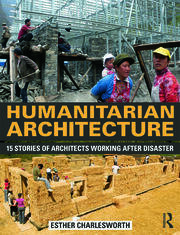
Book · 2014
Humanitarian Architecture: 15 stories of architects working after disaster
Esther Charlesworth
2014 first edition; publisher gives different dates by format.
Published
Fifteen practitioner accounts of architecture and rebuilding after disaster.
Why D4H Places professional choices beside the long-term social realities of recovery.
shelter · disaster recovery · architecture
Book cover: Routledge. Rights remain with the publisher and credited creators.
Source checked 2026-11-16
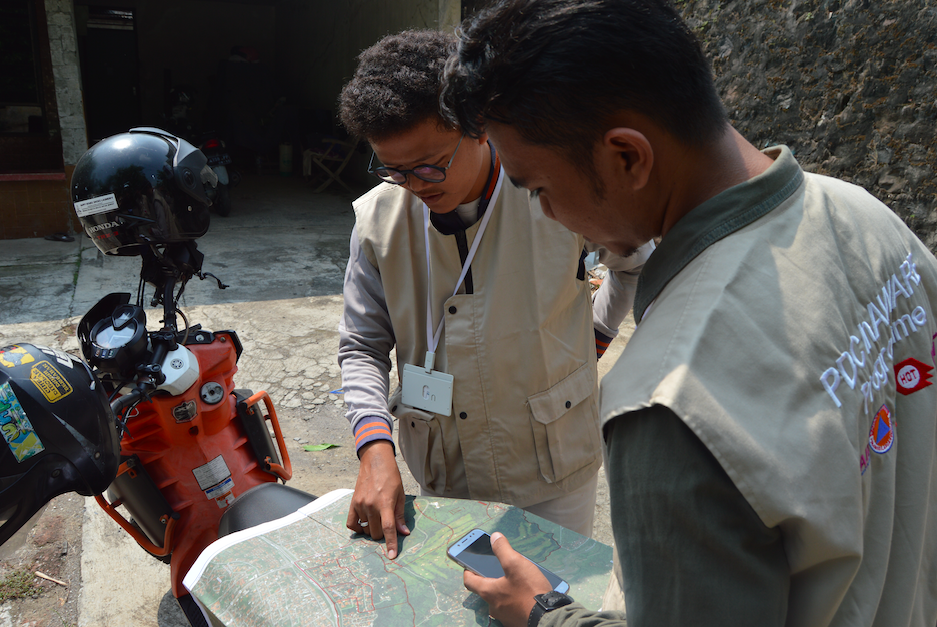
Learning & training
Humanitarian Use of OSM Data Course
Humanitarian OpenStreetMap Team
On demand
A self-paced course covering humanitarian uses of open mapping, browser tools and QGIS.
Why D4H Links geographic information to concrete needs, local knowledge and responsible decision-making.
mapping · information · participation
Original publisher preview: Humanitarian OpenStreetMap Team.
Source checked 2026-11-16
Conference · Programme to follow
AidEx Geneva
AidEx
Follow organiser; next dates not confirmed
Geneva, Switzerland
A humanitarian and development conference and exhibition, with sessions and exhibitors spanning operational practice, procurement, finance and innovation. Useful for understanding the ecosystem around delivery.
The verified 2026 event ran on 21–22 October at Palexpo. Follow the organiser for subsequent dates and registration.
Why D4H Lets designers examine how tools and ideas enter procurement, logistics and organisational practice; commercial exhibition claims still need critical assessment.
humanitarian practice · innovation · basic services · coordination
Source checked 2026-11-17
Book · 2020
The Care Manifesto: The Politics of Interdependence
The Care Collective
First paperback 2020; publisher currently lists a 2026 edition.
Published
A short political argument for organising institutions, economies and everyday life around care and interdependence. It connects personal relationships with public provision, urban planning and responsibility for the natural world.
Why D4H Offers a common language for discussing health, shelter, public space and the labour that sustains them.
care · dignity · community
Book cover: Verso. Rights remain with the publisher and credited creators.
Source checked 2026-11-17
Learning & training
KoboToolbox Essentials
KoboToolbox Academy
Online course
An introduction to KoboToolbox and foundational skills for collecting and managing data. The course offers a practical entry point for teams developing surveys and field research workflows.
Check the provider for current access, fees and completion conditions.
Why D4H Useful for documenting design processes and outcomes; pair the technical training with the data-responsibility guidance before collecting sensitive information.
information · methods · humanitarian practice
Source checked 2026-11-17
Exhibition · Digital exhibition archive
Designing Peace — digital exhibition
Cooper Hewitt, Smithsonian Design Museum
Archive
New York, USA / online
A digital exhibition of design responses to conflict and division, from public interventions to tools for reconciliation. Project profiles connect visual form with political and social conditions.
The physical exhibition has closed. Explore the continuing digital exhibition and project material.
Why D4H Extends the yearbooks’ concern for dignity into peacebuilding and offers a strong reference for the Journal’s visual essays and exhibition-like storytelling.
peace · dignity · cultural practice · design ethics
Source checked 2026-11-17
Book · 1 May 2007
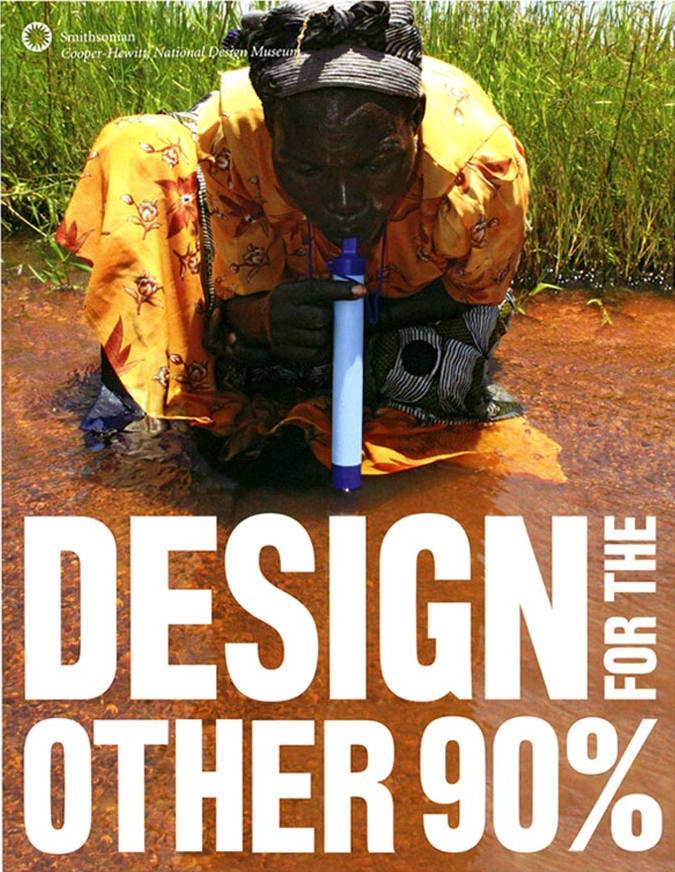
Design for the Other 90%
Cynthia E. Smith
Published
An exhibition catalogue of design projects addressing access to essential goods and services.
Why D4H A historical starting point for discussing both the promise and limits of problem-solving design.
humanitarian design · basic services · design history
Book cover: Cooper Hewitt, Smithsonian Design Museum. Rights remain with the publisher and credited creators.
Source checked 2026-11-16
Learning & training
Digital Accessibility Foundations
W3C Web Accessibility Initiative
On demand
An introduction to accessibility for designers, developers, writers, managers and advocates.
Why D4H Helps make humanitarian communication and digital services usable by a wider public.
accessibility · information · inclusion
Original publisher preview: W3C Web Accessibility Initiative.
Source checked 2026-11-16
Exhibition · 10 May–23 November 2025
Intelligens. Natural. Artificial. Collective. — Biennale Architettura 2025
La Biennale di Venezia / Carlo Ratti
Archive
Venice, Italy
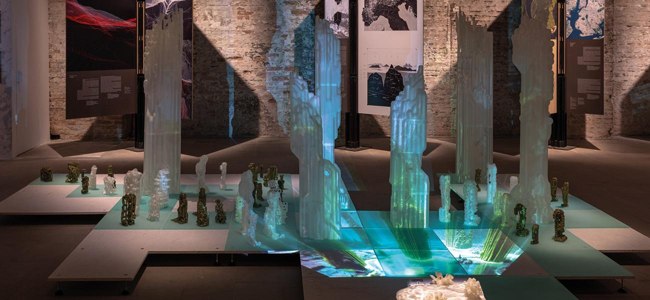
An architecture exhibition exploring natural, artificial and collective intelligence in response to a changing climate. Its archive shows how contributions across disciplines challenge singular architectural authorship.
Past exhibition. The official exhibition pages remain available as research references.
Why D4H Offers a comparative lens for collective intelligence, climate adaptation and the Journal’s ambition to combine different kinds of evidence and creative formats.
architecture · adaptation · ecology · participation
Source: La Biennale di Venezia, official 2025 exhibition page.
Source checked 2026-11-17
Book
Design Is Storytelling
Ellen Lupton
Published
A visual guide to narrative techniques in graphic design, products, services and spatial experiences. Lupton explores how sequence, emotion, perception and language shape the journeys people take through designed information.
Why D4H Useful for visual essays and for the yearbooks’ movement from data toward meaningful stories.
information · storytelling · methods
Source checked 2026-11-17
Toolkit
Participatory Approach for Safe Shelter Awareness (PASSA)
International Federation of Red Cross and Red Crescent Societies (IFRC)
Ongoing resource
A participatory method for identifying shelter risks and developing local capacity to address them. Community groups work through activities that support analysis, planning and monitoring, with trained facilitators and appropriate technical support.
Why D4H Moves the shelter discussion from a supplied object towards community judgement, learning and control over safer living environments.
shelter · participation · disaster recovery
Source checked 2026-11-17
Exhibition · Programme to follow
Sharjah Architecture Triennial
Sharjah Architecture Triennial
Follow organiser; next dates not confirmed
Sharjah, United Arab Emirates
An architecture platform centred on the region and wider Global South. Its work on impermanence, adaptability and reuse challenges assumptions that permanence and new construction are the default measures of progress.
Follow the organiser for the next exhibition and public programme. The 2023 theme is a research reference, not a current event date.
Why D4H Relevant to temporary shelter, resource constraints, local knowledge and the transition from emergency provision to places of life.
architecture · decolonial design · ecology · shelter
Source checked 2026-11-17
Book · 2011
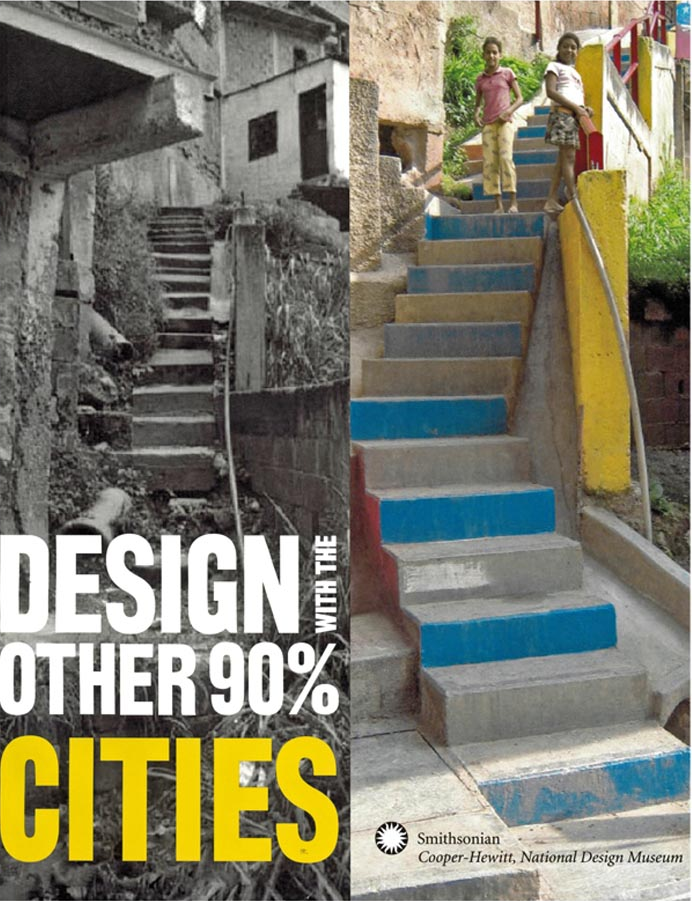
Design with the Other 90%: Cities
Cynthia E. Smith
Published in 2011.
Published
Urban projects, essays and interviews focused on informal settlements and essential services.
Why D4H Moves the discussion toward working with communities and the systems shaping urban life.
cities · shelter · participation
Book cover: Cooper Hewitt, Smithsonian Design Museum. Rights remain with the publisher and credited creators.
Source checked 2026-11-16

Learning & training
Cities and Climate Change
UN CC:Learn, UNITAR and UN-Habitat
On demand
A short introduction to climate mitigation and adaptation in urban planning.
Why D4H Connects settlement design to environmental risks and resilient services.
urban climate · cities · adaptation
Original publisher preview: UN CC:Learn, UNITAR and UN-Habitat.
Source checked 2026-11-16
Exhibition · Programme to follow
Chicago Architecture Biennial
Chicago Architecture Biennial
Follow organiser; next dates not confirmed
Chicago, USA
An architecture platform combining exhibitions, talks, film and public programmes. Its stated emphasis on community participation makes it useful for examining how architectural ideas meet public debate.
SHIFT ran from 19 September 2025 to 28 February 2026. Follow the biennial for subsequent programmes; no new dates are asserted here.
Why D4H Provides a model for combining essays, projects and public participation while keeping design connected to social questions.
architecture · community · public space · cultural practice
Source checked 2026-11-17
Book
Politics of the Everyday
Ezio Manzini
Published
Manzini examines how everyday choices and collaborative projects can build open, inclusive communities. Social innovation becomes a way of joining personal autonomy with collective action and a more distributed capacity to design.
Why D4H Relates community control to the ordinary practices that keep a project useful after its launch.
participation · social innovation · community
Source checked 2026-11-17
Toolkit · Fourth edition · October 2025
Her City Guide and Digital Toolbox
UN-Habitat and Shared City Foundation
Ongoing resource
A step-by-step approach to participatory urban development with girls and women. The fourth edition extends the guidance across assessment, design, implementation, maintenance and inclusive work in humanitarian and emergency settings.
Why D4H Connects Design for Inclusion to practical co-design, showing how people rarely heard in planning can define priorities and influence public space.
public space · participation · inclusion
Source checked 2026-11-17
Event · Programme to follow
Architecture Foundation — events, films and exhibitions
Architecture Foundation
Follow organiser; next dates not confirmed
London, United Kingdom / format varies
A searchable programme of architectural conversations, films, writing and exhibitions. The archive makes it possible to follow debates across projects, practitioners and different forms of public presentation.
The official calendar separates past and upcoming events. Check each listing for its venue, date and participation arrangements.
Why D4H Useful for the Journal’s editorial formats and for finding discussions where built work is read through social and cultural questions.
architecture · public space · cultural practice · practice
Source checked 2026-11-17

Book · 6 April 2021
Atlas of AI: Power, Politics, and the Planetary Costs of Artificial Intelligence
Kate Crawford
Paperback shown: 16 August 2022; hardcover: 6 April 2021.
Published
An account of the resources, labour and classifications underpinning AI.
Why D4H Supports critical scrutiny of humanitarian technologies and their material and political consequences.
information · technology ethics · ecology
Book cover: Yale University Press. Rights remain with the publisher and credited creators.
Source checked 2026-11-16
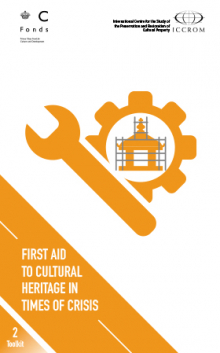
Toolkit
First Aid to Cultural Heritage in Times of Crisis — Toolkit
Aparna Tandon / ICCROM
Ongoing resource
Practical tools for coordinating the protection of tangible and intangible heritage during emergencies.
Why D4H Treats culture, memory and community custodianship as integral to humanitarian recovery.
cultural practice · disaster recovery · community
Original publisher preview: Aparna Tandon / ICCROM.
Source checked 2026-11-16

Event · Programme to follow
The Architecture Lobby — conversations and organising
The Architecture Lobby
Follow organiser; next dates not confirmed
USA / online and local events
Public conversations, reading groups and screenings examine architectural labour, professional conditions and collective organisation. The programme connects the work designers produce to how that work is organised.
Follow the official events list. Some activities use online community platforms; access and registration vary.
Why D4H Brings labour and institutional accountability into the Journal’s discussion of ethical practice and who has agency within design.
design ethics · practice · justice · community
Source: The Architecture Lobby, official event artwork.
Source checked 2026-11-17

Book · 2022
Design after Capitalism: Transforming Design Today for an Equitable Tomorrow
Matthew Wizinsky
Published
A history and practical argument about design’s relationship to political economy. Alternative models of production and collaboration become starting points for changing not only projects, but also professional practice and the discipline itself.
Why D4H Broadens evaluation beyond innovative objects to ownership, labour, resources and long-term distribution of benefits.
design ethics · justice · social innovation
Book cover: The MIT Press. Rights remain with the publisher and credited creators.
Source checked 2026-11-17
Toolkit
Global Public Space Toolkit: From Global Principles to Local Policies and Practice
UN-Habitat
Reference toolkit
A reference for public-space policy, development and management, drawing on principles and examples from different urban settings. It addresses the roles of local government, national support and civic participation.
Why D4H Helps situate Casa Azul and shared-space proposals within the institutions and long-term stewardship that make a public place work.
public space · cities · community
Source checked 2026-11-17
Event · Programme to follow
Architecture, Planning, and International Law
The Architectural League of New York
Follow organiser; next dates not confirmed
New York, USA
An open-ended conversation series connecting legal expertise with the built environment. Its postcarbon-futures discussion uses concrete cases to consider climate justice across cities, landscapes and infrastructure.
The linked Building Postcarbon Futures session took place on 23 September 2026. It documents the series; future sessions are not dated here.
Why D4H Connects design decisions to legal responsibility, land, repair and the political conditions of humanitarian and climate practice.
architecture · urban climate · justice · landscape
Source checked 2026-11-17
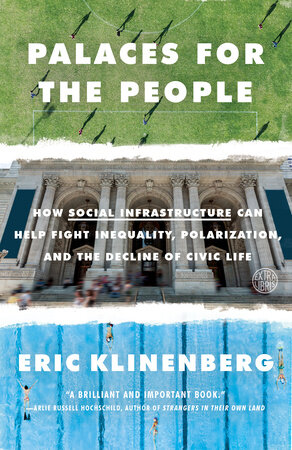
Book · 11 September 2018
Palaces for the People
Eric Klinenberg
Paperback shown: 10 September 2019; ebook: 11 September 2018.
Published
An argument for libraries and other shared spaces as essential social infrastructure.
Why D4H Helps frame belonging, care and collective resilience as design concerns.
public space · social infrastructure · community
Book cover: Crown / Penguin Random House. Rights remain with the publisher and credited creators.
Source checked 2026-11-16

Toolkit
Design Kit: Methods
IDEO.org
Ongoing resource
A collection of methods for listening, co-design, prototyping and learning from feedback.
Why D4H Gives contributors practical ways to describe how participation shaped their work.
participation · methods · social innovation
Original publisher preview: IDEO.org.
Source checked 2026-11-16
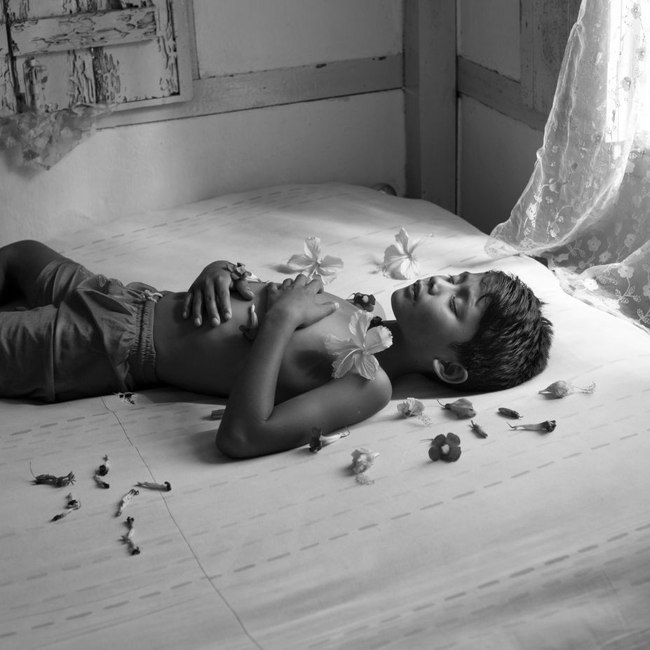
Exhibition · Programme to follow
Dhaka Art Summit — TONDRA and future programmes
Samdani Art Foundation
Follow organiser; next dates not confirmed
Dhaka, Bangladesh
A non-commercial research and exhibition platform for South Asian art and architecture. The organiser’s TONDRA introduction explores imagination, emotion and encounters between personal expression and public cultural space.
The official page introduces the forthcoming TONDRA edition without confirmed public dates in the material reviewed. Do not infer dates from the page URL.
Why D4H A valuable Global South reference for the Journal’s cultural infrastructure, memory and experimental visual storytelling.
cultural practice · decolonial design · architecture · lived experience
Source: Samdani Art Foundation, official TONDRA programme page.
Source checked 2026-11-17
Book · 2022
Designing Disorder: Experiments and Disruptions in the City
Pablo Sendra and Richard Sennett
Linked paperback edition: April 2022.
Published
An argument for urban spaces that remain adaptable and open to unexpected use. Architecture, planning and activism are brought together to challenge overly controlled public environments and create room for social interaction.
Why D4H Supports D4H discussions of inclusive public space, informal adaptation and the limits of fixed masterplans.
cities · public space · participation
Source checked 2026-11-17
Resource · 2024 edition
INEE Minimum Standards for Education: Preparedness, Response, Recovery
Inter-agency Network for Education in Emergencies (INEE)
Reference standard
The 2024 education-in-emergencies standards address quality, access and accountable practice across preparedness, response and recovery. The update incorporates developments in climate risk, protection, locally led action and decolonial approaches.
Why D4H Provides a substantive frame for learning-space and refugee-education projects, continuing questions raised in the summits' school and pedagogy sessions.
education · standards · displacement
Source checked 2026-11-17
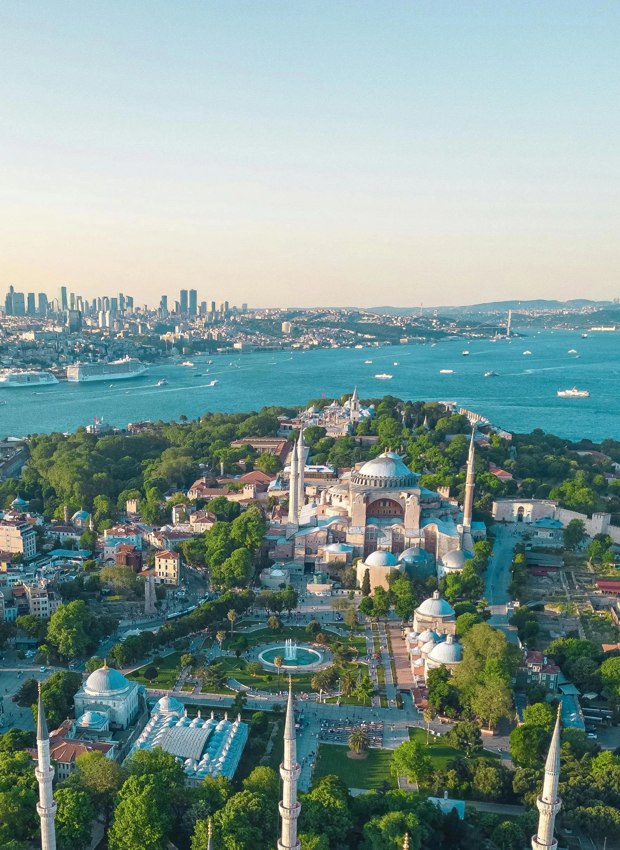
Conference · 6–9 April 2027
Urban Future 2027 — Istanbul
Urban Future
Upcoming — dates confirmed
Istanbul, Türkiye
An urban-change gathering for city leaders, practitioners and community-minded innovators. The programme combines conference conversations with field visits and exchanges about making cities more sustainable and liveable.
Main conference: 7–8 April; field trips: 6 and 9 April. The organiser states the event is in person. Check tickets, availability and access details directly.
Why D4H Connects shared spaces, urban resilience and participation to the people and institutions capable of implementing change.
cities · public space · urban climate · participation
Source: Urban Future, official Istanbul 2027 event page.
Source checked 2026-11-17
Book · 30 June 2020
Disability Visibility
Alice Wong (editor)
Published
A collection of first-person writing by disabled people.
Why D4H Brings lived experience and cultural agency into discussions of accessibility and dignity.
accessibility · lived experience · cultural practice
Book cover: Vintage / Penguin Random House. Rights remain with the publisher and credited creators.
Source checked 2026-11-16
Toolkit
The Humanitarian Innovation Guide
Elrha
Ongoing resource
A guide to innovation processes, ethics, enabling conditions and humanitarian constraints.
Why D4H Supports reflection on evidence, accountability and adoption beyond a compelling prototype.
innovation · design ethics · humanitarian practice
Original publisher preview: Elrha.
Source checked 2026-11-16
Event · Winter 2026–27 programme
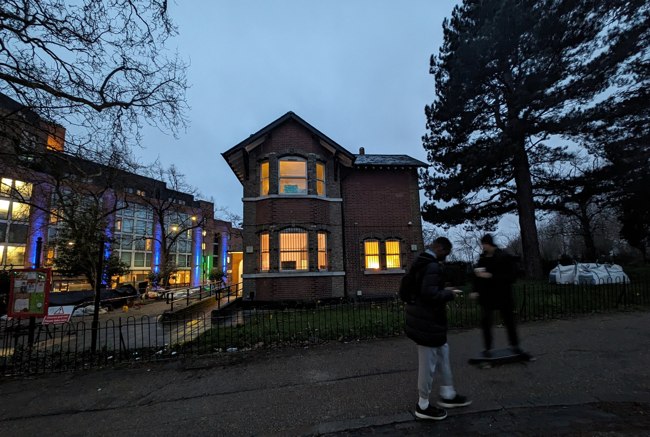
Museum of Homelessness — community and creative programme
Museum of Homelessness
Ongoing programme
London, United Kingdom
Community activities, creative archive sessions and public events connect cultural work with solidarity and homelessness. The museum’s programme distinguishes general public activities from support for its community.
Check the official calendar and intended participants for each activity. Some sessions specifically serve people experiencing homelessness or hardship.
Why D4H A concrete reference for dignity, care, lived experience and cultural spaces that also act as practical social infrastructure.
dignity · lived experience · social infrastructure · cultural practice
Image: Lucinda MacPherson / Museum of Homelessness; credit supplied in source image description.
Source checked 2026-11-17
Book · 2022
Spatializing Justice: Building Blocks
Teddy Cruz and Fonna Forman
Published
Thirty short texts propose an architectural practice concerned with civic processes as well as buildings. The authors connect infrastructure, ownership, urban growth and political action to the problem of spatial inequality.
Why D4H A practical bridge between the summit’s design ambitions and the institutional changes needed to realise them.
justice · architecture · participation · cities
Book cover: The MIT Press / Hatje Cantz. Rights remain with the publisher and credited creators.
Source checked 2026-11-17
Toolkit
Good Shelter Programming: Tools to Reduce the Risk of GBV in Shelter Programmes
Global Shelter Cluster
Reference toolkit
Tools for shelter teams covering assessment, risk mitigation and appropriate responses to disclosures of gender-based violence. The toolkit translates inter-agency guidance into considerations for shelter and settlement programmes.
Why D4H Makes protection part of spatial design: privacy, location, access and layout must be judged by their consequences for people's safety.
shelter · protection · inclusion
Source checked 2026-11-17

Event · Programme to follow
Humanitarian Leadership Academy — webinars and exchanges
Humanitarian Leadership Academy
Follow organiser; next dates not confirmed
Online / international
Webinars, recordings and exchanges cover local leadership, humanitarian careers, crisis response and digital inclusion. The collection connects professional learning with debate about who holds knowledge and influence.
Browse current listings and past recordings. This is a programme watch-list entry; no future webinar date is implied.
Why D4H Supports the Journal’s interest in localisation, community control and the relationship between institutional systems and lived expertise.
humanitarian practice · participation · accountability · information
Source: Humanitarian Leadership Academy, official webinar preview.
Source checked 2026-11-17
Book · 21 July 2011
Spatial Agency: Other Ways of Doing Architecture
Nishat Awan, Tatjana Schneider and Jeremy Till
Published
An account of architectural action extending beyond conventional building commissions.
Why D4H Expands the kinds of practices and actors a humanitarian design journal can recognise.
architecture · participation · practice
Book cover: Routledge. Rights remain with the publisher and credited creators.
Source checked 2026-11-16
Resource · July 2026
Shelter Projects — 10th edition
Global Shelter Cluster / Shelter Projects
Ongoing resource
A collection of shelter and settlement case studies released in July 2026.
Why D4H Provides comparable practice evidence across crises, places and recovery conditions.
shelter · settlements · disaster recovery
Original publisher preview: Global Shelter Cluster / Shelter Projects.
Source checked 2026-11-16
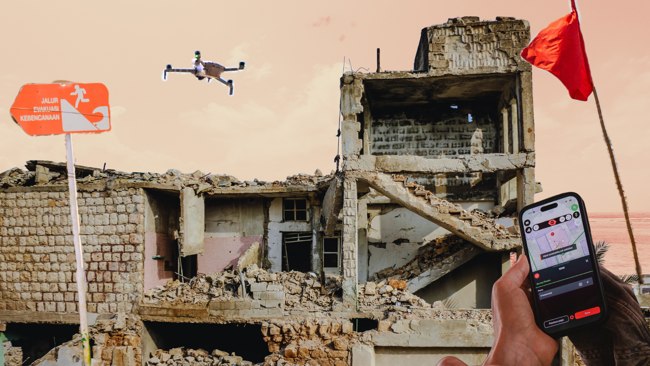
Event · Programme to follow
Humanitarian OpenStreetMap Team — community events
Humanitarian OpenStreetMap Team
Follow organiser; next dates not confirmed
Online and local events worldwide
Community mapping events and webinars connect open geospatial work with preparedness, humanitarian response and local priorities. Recent listings span youth-led mapping, environmental action and regional collaborations.
Use the official event calendar for the next confirmed opportunity. Check each event’s language, time zone and participation requirements.
Why D4H Links the yearbook’s data-to-stories strand to practical questions about representation, local data ownership and useful maps.
mapping · information · participation · disaster recovery
Source: Humanitarian OpenStreetMap Team, official World Humanitarian Day webinar artwork.
Source checked 2026-11-17
Book · 2017
Borderwall as Architecture: A Manifesto for the U.S.-Mexico Boundary
Ronald Rael
Published
Drawings, accounts and speculative proposals examine the US–Mexico boundary as a built structure with social and ecological consequences. Rael questions separation by exploring the connections and shared activities that persist around it.
Why D4H Links mobility systems to architectural representation and offers material for debate on what border design enables or prevents.
displacement · architecture · public space
Publisher preview: University of California Press. Rights remain with the publisher and credited creators.
Source checked 2026-11-17
Resource
Child Friendly Cities and Communities Handbook
UNICEF
Reference handbook
A guide to the Child Friendly Cities Initiative, from understanding local conditions to implementation and evaluation. It explains the framework while allowing adaptation to the priorities and circumstances of each city.
Why D4H Extends the yearbooks' playground and education discussions into child participation, municipal responsibility and the everyday systems surrounding a designed space.
cities · education · participation
Source checked 2026-11-17
Event · Programme to follow
Refugee Studies Centre — public seminars
Refugee Studies Centre, University of Oxford
Follow organiser; next dates not confirmed
Oxford, United Kingdom / format varies
An interdisciplinary seminar programme bringing scholars and practitioners together around forced migration, rights and refugee experiences. The centre also lists lectures, research events, screenings and book discussions.
Follow the centre for term-by-term programmes. Attendance arrangements, recordings and online access differ between events.
Why D4H Gives the first issue’s displacement theme a rigorous setting for testing assumptions about mobility, protection, home and belonging.
displacement · protection · lived experience · research
Source checked 2026-11-17
Book · 2015
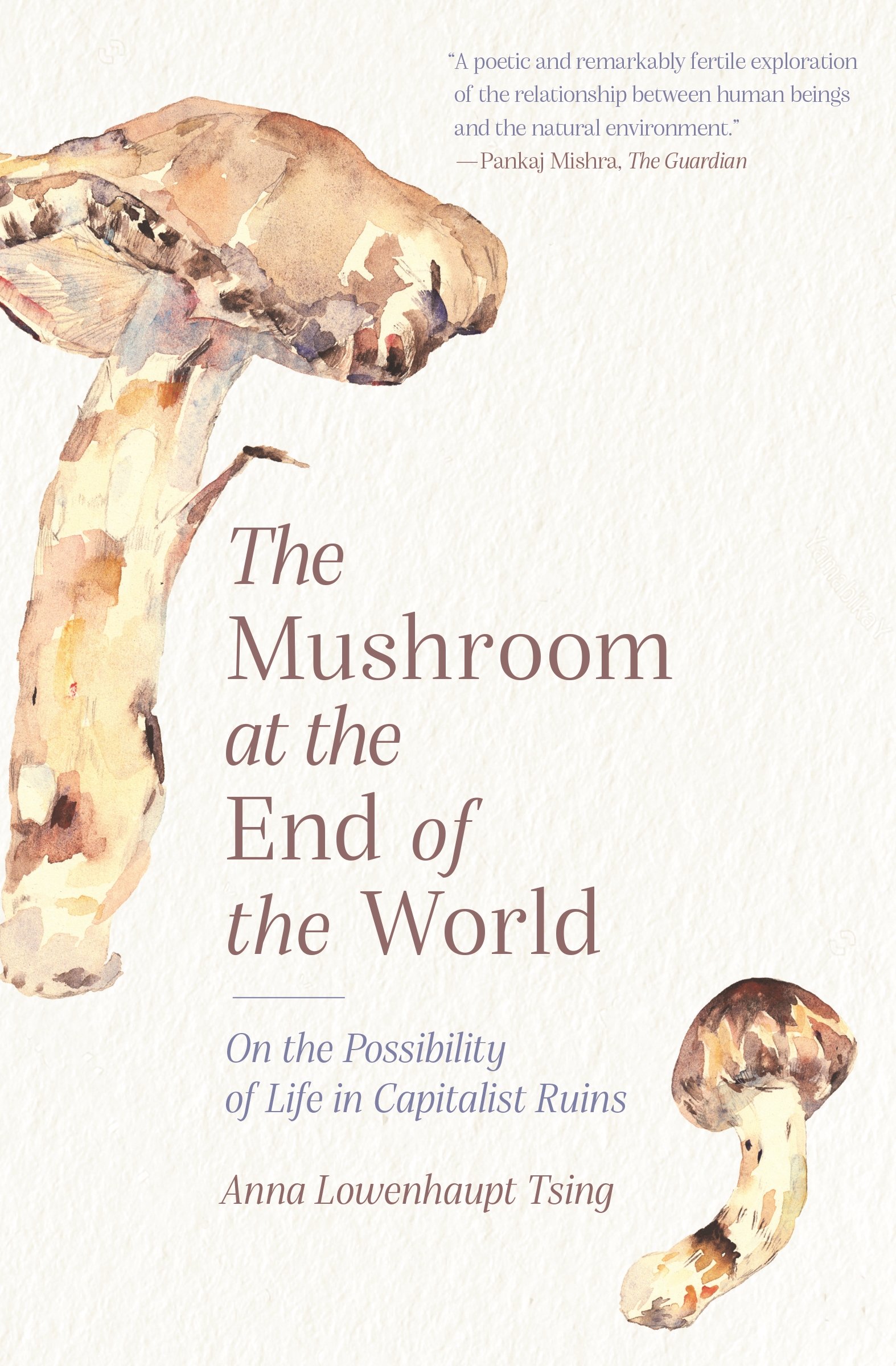
The Mushroom at the End of the World
Anna Lowenhaupt Tsing
Paperback shown: 8 June 2021 (US), 13 July 2021 (UK); copyright 2015.
Published
An exploration of precarious livelihoods and multispecies survival through the matsutake trade.
Why D4H Offers an ecological and cultural lens on adaptation beyond simple innovation narratives.
ecology · livelihoods · cultural practice
Book cover: Princeton University Press. Rights remain with the publisher and credited creators.
Source checked 2026-11-16

Resource
UNHCR Emergency Handbook
UNHCR
Ongoing resource
An evolving operational reference for emergency response and refugee protection.
Why D4H Connects settlement and service design to protection concerns and field guidance.
displacement · protection · shelter
Original publisher preview: UNHCR.
Source checked 2026-11-16
Event · Programme to follow
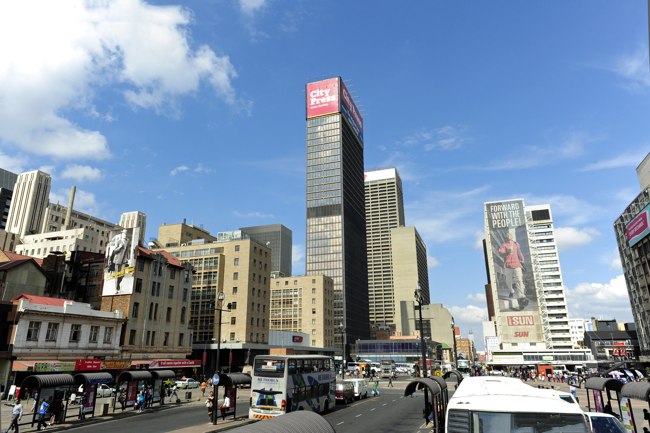
Architecture Sans Frontières International — assemblies and public programmes
Architecture Sans Frontières International
Follow organiser; next dates not confirmed
International / host locations vary
A distributed architectural network whose event archive includes assemblies, competitions and member-led programmes across countries. It offers a route into socially engaged practice beyond a single institution or design market.
The official listing currently reports no upcoming events. Its 2026 assembly was in Barcelona, 26–29 June; follow the network for new announcements.
Why D4H Closely aligned with the summit’s public-interest design agenda and useful for locating collaborators around participation and spatial justice.
architecture · participation · justice · practice
Source: Architecture Sans Frontières International, official assembly archive.
Source checked 2026-11-17
Book · 2017
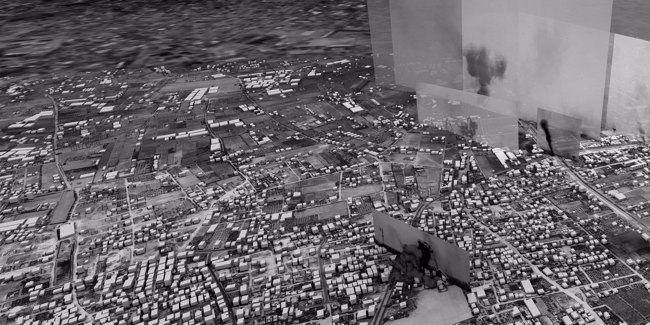
Forensic Architecture: Violence at the Threshold of Detectability
Eyal Weizman
Published
An account of investigative practices that combine spatial analysis, images, remote sensing, materials and witness testimony. Case studies show how architectural knowledge can be used to reconstruct violence and make contested events publicly examinable.
Why D4H Connects data, storytelling and protection in conflict while prompting discussion of evidentiary limits.
mapping · information · protection · justice
Publisher preview: Zone Books. Rights remain with the publisher and credited creators.
Source checked 2026-11-17
Resource · 2007
Global Age-Friendly Cities: A Guide
World Health Organization
Reference guide
A foundational guide to urban environments that support older people as active participants in community life. It links the built environment with services, social inclusion and the conditions that allow people to age well.
Why D4H Encourages housing and public-space contributors to consider ageing, independence and intergenerational use alongside displacement and emergency needs.
cities · accessibility · inclusion
Source checked 2026-11-17
Book · 1971
Design for the Real World
Victor Papanek
Current third edition: 11 July 2019; first appeared in 1971.
Published
A foundational challenge to the social and environmental responsibilities of design.
Why D4H Provides a historical reference against which contemporary humanitarian design can be questioned.
design ethics · ecology · design history
Book cover: Thames & Hudson. Rights remain with the publisher and credited creators.
Source checked 2026-11-16
Network · 2018
Design Justice Network Principles
Design Justice Network
Principles page identifies its last update as summer 2018; current availability is checked separately.
Ongoing resource
Ten principles for accountable, community-led design, presented as a living document.
Why D4H Offers a clear ethical frame for contributors, reviewers and collaborative projects.
participation · design ethics · justice
Original publisher preview: Design Justice Network.
Source checked 2026-11-16
Book · 2018
The Design Politics of the Passport: Materiality, Immobility, and Dissent
Mahmoud Keshavarz
Published
The passport becomes a lens for examining how objects organise political power and unequal mobility. Historical and ethnographic material traces the document’s technologies, practices and the ways people contest the restrictions it produces.
Why D4H Especially relevant to Issue 01’s attention to registration, access, mobility and the design of administrative systems.
displacement · design ethics · information
Source checked 2026-11-17
Learning & training · September 2027 intake
Building and Urban Design in Development MSc
The Bartlett Development Planning Unit, UCL
Programme · next intake published
London, United Kingdom
A postgraduate programme combining critical urban theory, design and community-based practice. It examines spatial power, inequality and urban transformation, with a strong focus on cities in the Global South.
The provider lists September 2027 entry; application deadlines are marked to be confirmed. Check current admissions and fees with UCL.
Why D4H A close learning pathway for the Journal's concerns with spatial justice, displacement, co-production and reflective humanitarian design practice.
cities · justice · participation
Source checked 2026-11-17
Book · 21 March 2017
Emergent Strategy: Shaping Change, Changing Worlds
adrienne maree brown
Published
A practice of collective change informed by relationships, adaptation and patterns in nature.
Why D4H Useful for thinking about collaboration and community capacity beyond a single project.
community · participation · ecology
Book cover: AK Press. Rights remain with the publisher and credited creators.
Source checked 2026-11-16
Learning & training
Humanitarian Essentials
DisasterReady
On demand
Online
Online learning introducing the actors, systems, principles and standards of humanitarian response. It gives newcomers a way to understand the institutional setting in which crisis-related design projects operate.
Why D4H A useful starting point for designers entering humanitarian work, helping connect design intentions with coordination, responsibilities and operational constraints.
humanitarian practice · standards · coordination
Source checked 2026-11-17
Book · 2020
What Can a Body Do?
Sara Hendren
Published
Stories of disability and adaptation question assumptions built into furniture, tools, campuses and streets. Hendren considers assistance as a relationship between bodies and environments, opening up possibilities beyond a single idea of normal use.
Why D4H Makes inclusion concrete through lived experience and the everyday design decisions behind access and independence.
accessibility · inclusion · lived experience
Publisher preview: Riverhead Books / Penguin Random House. Rights remain with the publisher and credited creators.
Source checked 2026-11-17
Learning & training
Challenging Practice
Architecture Sans Frontières International
Ongoing learning programme
An independent-learning programme for built-environment practitioners, combining study, action and reflection. Its three stages address inclusive urban development through situated knowledge, participatory practice and ethical engagement.
Reading, live seminars and practice stages have different arrangements; consult ASF for current opportunities and requirements.
Why D4H Closely matches the summits' emphasis on changing how designers work, with reflection on power and practice alongside practical skills.
architecture · participation · design ethics
Source checked 2026-11-17
Book · 2018
Building and Dwelling: Ethics for the City
Richard Sennett
Paperback shown: 4 April 2019; ebook listed as 2018.
Published
A study of the tensions between how cities are built and how people inhabit them.
Why D4H Connects urban form to ethical questions of difference, openness and everyday life.
cities · design ethics · public space
Book cover: Penguin Books. Rights remain with the publisher and credited creators.
Source checked 2026-11-16
Toolkit
Ethical Guidelines for Using Videos in Human Rights Reporting and Advocacy
WITNESS
Reference guidance
Guidance for evaluating and sharing eyewitness footage responsibly, including source protection, attribution, context and potential harm. The resource is intended for advocates, journalists, filmmakers and others working with human-rights documentation.
Why D4H Supports the Journal's visual essays and From Data to Stories theme by treating consent, representation and safety as editorial design decisions.
storytelling · design ethics · protection
Source checked 2026-11-17
Book · 2017
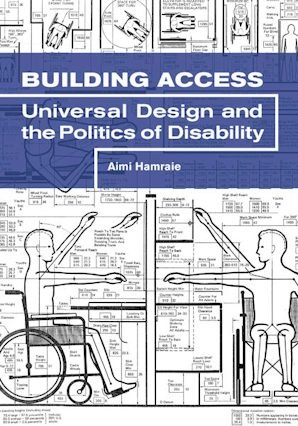
Building Access: Universal Design and the Politics of Disability
Aimi Hamraie
Published
A critical history of Universal Design examines whose bodies are represented in claims to design for everyone. Archival evidence connects disability activism with architectural knowledge, racial exclusion and the development of access standards.
Why D4H Strengthens the Journal’s scrutiny of inclusion claims and who participates in defining an accessible environment.
accessibility · inclusion · design history · justice
Publisher preview: University of Minnesota Press. Rights remain with the publisher and credited creators.
Source checked 2026-11-17
Resource
Oral History Best Practices
Oral History Association
Reference guidance
Guidance spanning preparation, interviewing, preservation and access. It addresses informed consent, the relationship with narrators, documentation and the responsibilities involved in keeping and sharing recorded testimony.
Why D4H A practical companion to Design for Memory and contributor interviews, helping preserve the agency and context of people whose experiences are published.
storytelling · cultural practice · lived experience
Source checked 2026-11-17
Book · October 2019
Design with Nature Now
Frederick Steiner, Richard Weller, Karen M'Closkey and Billy Fleming (editors)
Hardcover: October 2019; ebook listed as November 2026.
Published
Contemporary ecological planning projects revisiting Ian McHarg's legacy.
Why D4H Links climate adaptation and landscape thinking to the design of human settlements.
urban climate · ecology · landscape
Book cover: Lincoln Institute of Land Policy / Columbia University Press. Rights remain with the publisher and credited creators.
Source checked 2026-11-16
Network
Know Your City: Community-Led Urban Data
Slum Dwellers International (SDI)
Ongoing network and resource
A community-led platform for settlement profiling, enumeration and mapping, linking organised residents with local governments. Know Your City also connects data with youth-produced media and conversations about urban futures.
Why D4H Offers a concrete counterpoint to expert-led mapping: residents generate evidence to negotiate services, visibility and influence over their cities.
mapping · community · cities
Source checked 2026-11-17
Book · 2019
Rebel Cities: From the Right to the City to the Urban Revolution
David Harvey
Linked paperback edition: March 2019.
Published
Harvey examines cities as sites of economic power and collective struggle. Questions of urban resources, everyday life and the commons are considered through movements seeking to change how cities are organised and governed.
Why D4H Provides a political-economic counterpoint to proposals that frame urban inclusion as a purely technical task.
cities · justice · public space
Source checked 2026-11-17
Toolkit
Planning Relocations to Protect People from Disasters and Environmental Change: A Toolbox
Georgetown University, UNHCR and IOM
Reference toolkit
A toolbox addressing the decision, planning and implementation stages of planned relocation. It examines legal frameworks, affected populations, participation, land, monitoring and accountability, with checklists and case-based discussion.
Why D4H Directly supports the Journal's relocation and mobility theme, keeping rights, livelihoods and longer-term outcomes in view when discussing a new settlement.
displacement · adaptation · participation
Source checked 2026-11-17
Book · 2016
In Defense of Housing: The Politics of Crisis
Peter Marcuse and David Madden
First paperback 2016; publisher currently lists a 2024 edition.
Published
A study of housing as both lived space and an economic asset. The authors connect displacement, unaffordability and insecurity with political and economic structures, arguing that housing problems require more than isolated technical fixes.
Why D4H Helps distinguish the provision of shelter from the right and ability to sustain a home.
shelter · displacement · cities · justice
Source checked 2026-11-17
Toolkit
Social Tenure Domain Model (STDM)
Global Land Tool Network / UN-Habitat
Ongoing resource
A tool for recording relationships between people and land beyond formally registered ownership. It incorporates participatory enumeration and can support settlement upgrading, customary rights and post-conflict or disaster contexts.
Why D4H Brings tenure into design discussions: a dwelling or infrastructure improvement cannot be evaluated separately from the rights and claims attached to its site.
settlements · mapping · justice
Source checked 2026-11-17
Book · 2023
The Architecture of Disability: Buildings, Cities, and Landscapes beyond Access
David Gissen
Published
Gissen reinterprets architectural history and practice through disability. Buildings, landscapes and urban spaces are examined as arrangements of bodily capacity, challenging the idea that access can simply be added after design.
Why D4H Invites contributors to treat disabled people as makers of spatial knowledge, not only recipients of accommodation.
accessibility · architecture · lived experience
Publisher preview: University of Minnesota Press. Rights remain with the publisher and credited creators.
Source checked 2026-11-17
Toolkit
Road Map to Community Resilience
International Federation of Red Cross and Red Crescent Societies (IFRC)
Reference guidance
Step-by-step guidance for translating a community-resilience framework into coordinated practice. It helps programme teams work with communities and other stakeholders around risks, capacities and locally shaped action.
Why D4H Useful for moving a design case study beyond the delivered project towards the relationships and capacities that sustain recovery.
community · disaster recovery · adaptation
Source checked 2026-11-17

Book · 2022
The Common Camp: Architecture of Power and Resistance in Israel–Palestine
Irit Katz
Published
A historical and spatial study of camps used by different populations and political projects. Katz examines the camp as an instrument of territorial control, an everyday environment and a place of resistance.
Why D4H Adds a critical historical framework to the yearbook discussion of moving from camps to communities.
displacement · settlements · architecture · memory
Publisher preview: University of Minnesota Press. Rights remain with the publisher and credited creators.
Source checked 2026-11-17
Learning & training
Human Health and Climate Change
UN CC:Learn, WHO and UNITAR
On demand
Online
An introductory course examining how climate affects health and how adaptation and mitigation can improve health outcomes. It presents tools and examples for connecting health and climate policies.
Why D4H Strengthens the link between settlement design and everyday habitability, from thermal comfort and service access to resilience under environmental stress.
urban climate · adaptation · health
Source checked 2026-11-17
Book · 2015
The Land of Open Graves: Living and Dying on the Migrant Trail
Jason De León; photographs by Michael Wells
Published
An anthropological investigation of the human consequences of US border policy in the Sonoran Desert. Material evidence and accounts of migration make visible the relation between environmental conditions, enforcement and dangerous journeys.
Why D4H Grounds the design of routes and protection in the consequences experienced by people moving through hostile landscapes.
displacement · protection · lived experience
Source checked 2026-11-17
Learning & training
An Introduction to Climate Change and Human Rights
UN CC:Learn
On demand
Online
A self-paced introduction to the relationship between climate change and human rights. It examines mitigation, adaptation, loss and damage, with attention to people and communities facing disproportionate risks.
Why D4H Provides a rights-based frame for climate displacement and relocation proposals, helping connect design choices to responsibilities towards affected people.
adaptation · displacement · justice
Source checked 2026-11-17
Book · 2021
Decolonizing Methodologies: Research and Indigenous Peoples
Linda Tuhiwai Smith
Third edition, 2021.
Published
This third edition examines how research has participated in colonial power and how Indigenous research agendas can reclaim knowledge and authority. It combines critical history with projects, methods and reflections on representation.
Why D4H A methodological foundation for consent, authorship and community control in the Journal’s research and field reports.
decolonial design · methods · participation
Source checked 2026-11-17
Book · 2010
A Paradise Built in Hell
Rebecca Solnit
Linked paperback edition: August 2010.
Published
Accounts of disaster aftermaths examine the cooperation and resourcefulness that can emerge amid loss. Solnit questions fearful assumptions about public behaviour and considers what temporary communities reveal about ordinary social and political life.
Why D4H Supports attention to existing local capacity and mutual aid before introducing external design solutions.
disaster recovery · community · care
Publisher preview: Penguin Books. Rights remain with the publisher and credited creators.
Source checked 2026-11-17
Book · 2016
Staying with the Trouble: Making Kin in the Chthulucene
Donna J. Haraway
Published
A theoretical exploration of interdependence on a damaged planet, combining feminist thought, science studies and speculative storytelling. Haraway asks how humans and other species might make more liveable futures through situated relationships and shared responsibility.
Why D4H Offers a demanding ecological lens for evaluating who and what humanitarian design includes in its account of care.
ecology · care · cultural practice
Publisher preview: Duke University Press. Rights remain with the publisher and credited creators.
Source checked 2026-11-17

Book
Braiding Sweetgrass: Indigenous Wisdom, Scientific Knowledge and the Teachings of Plants
Robin Wall Kimmerer
Published
Kimmerer brings botanical knowledge into conversation with Indigenous teachings and lived experience. Essays explore reciprocity, attention and responsibility toward other beings, questioning extractive relationships with the landscapes on which human life depends.
Why D4H Complements locally grounded design and climate adaptation with an ethic of reciprocity rather than resource extraction.
ecology · decolonial design · cultural practice
Publisher preview: Milkweed Editions. Rights remain with the publisher and credited creators.
Source checked 2026-11-17
Book · 2021
Design Struggles: Intersecting Histories, Pedagogies, and Perspectives
Claudia Mareis and Nina Paim (editors)
Published
A collective critical examination of how design participates in inequality across social, cultural, political and ecological systems. Different histories and perspectives challenge the boundaries of the discipline and the assumptions reproduced through its education.
Why D4H Useful for developing the Journal’s editorial criteria and recognising expertise beyond dominant professional traditions.
decolonial design · design ethics · justice · methods
Publisher preview: Valiz. Rights remain with the publisher and credited creators.
Source checked 2026-11-17
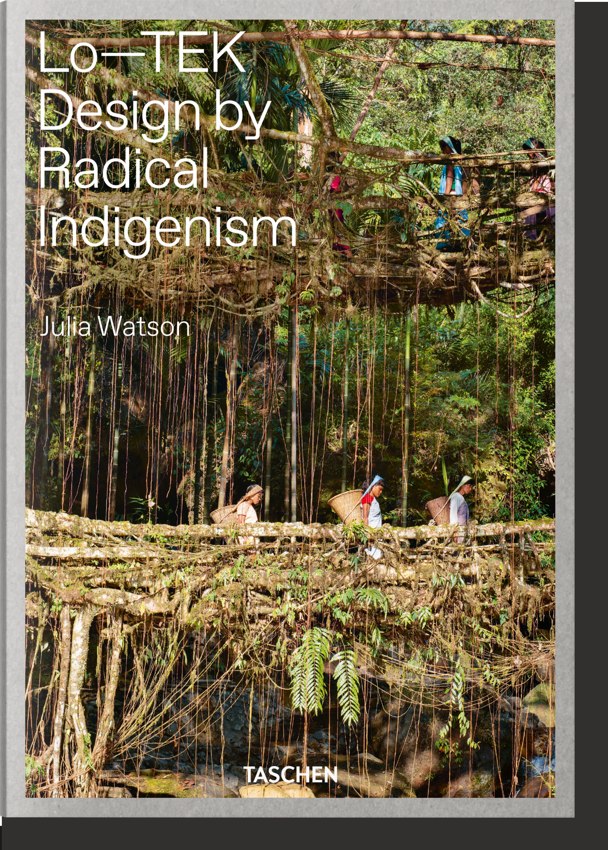
Book
Lo—TEK: Design by Radical Indigenism
Julia Watson
Published
An illustrated survey of Indigenous and vernacular infrastructures across varied ecosystems. Traditional Ecological Knowledge is presented as sophisticated design practice, with examples that connect water, food, shelter and the maintenance of living systems.
Why D4H Provides a rich reference for climate adaptation and locally rooted ingenuity, while inviting scrutiny of how knowledge is credited.
ecology · adaptation · decolonial design · settlements
Publisher preview: TASCHEN. Rights remain with the publisher and credited creators.
Source checked 2026-11-17
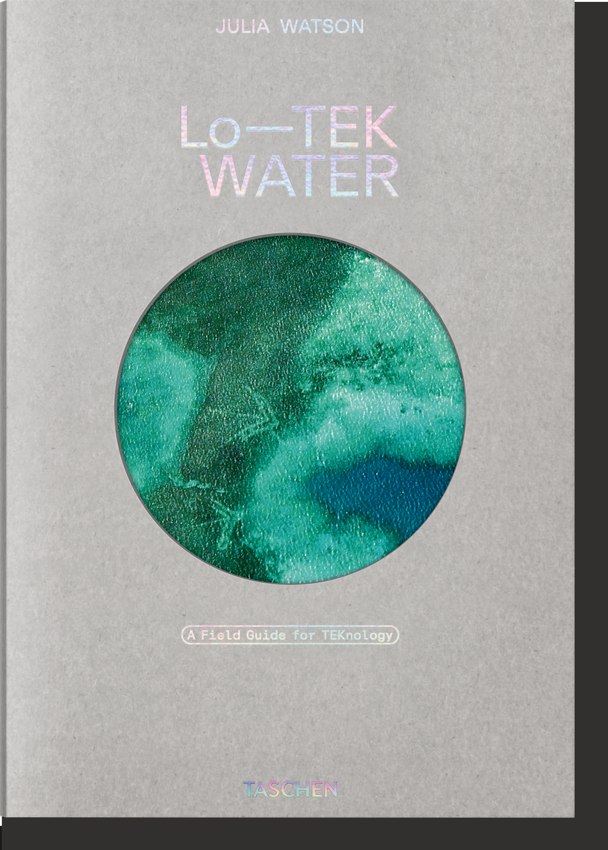
Book
Lo—TEK. Water: A Field Guide for TEKnology
Julia Watson, with Indigenous knowledge-keepers
Published
Traditional and contemporary water systems are explored through Indigenous knowledge and ecological design. Floating farms, tidal systems and other examples connect ancestral practices with present-day questions of settlement, infrastructure and biocultural resilience.
Why D4H Extends the Journal’s climate and habitation themes into water systems and knowledge held by communities.
ecology · adaptation · basic services · decolonial design
Publisher preview: TASCHEN. Rights remain with the publisher and credited creators.
Source checked 2026-11-17
Book
Justice Is Beauty: MASS Design Group
Michael Murphy and Alan Ricks; foreword by Chelsea Clinton
Published
A monograph of MASS Design Group’s work across architecture, health, research and education. Projects situate design within collaboration with communities and institutions, including the group’s early hospital work in Rwanda.
Why D4H Connects the summit’s Design for Dignity discussions to built work, health and the social obligations of architectural practice.
architecture · dignity · care · humanitarian design
Source checked 2026-11-17
No resources match these filters. Try a broader subject or clear the filters.
A field guide
for an open practice.
Selections connect humanitarian practice with architecture, public space, care, climate, culture and the politics of design. The “Why D4H” notes explain the editorial connection; inclusion does not imply a partnership or endorsement by the provider.
Use Save to keep a list in this browser. Filters create a link you can bookmark or share. For dated events, Save dates downloads a calendar entry; it does not register you.
Research areas · Current reporting · Summit archive · Issue 01 themes and formats
Suggest a book, course or gathering