2019 / workshop
Design Pedagogy for Social Justice, Integrating Principles of Theory U for Impact
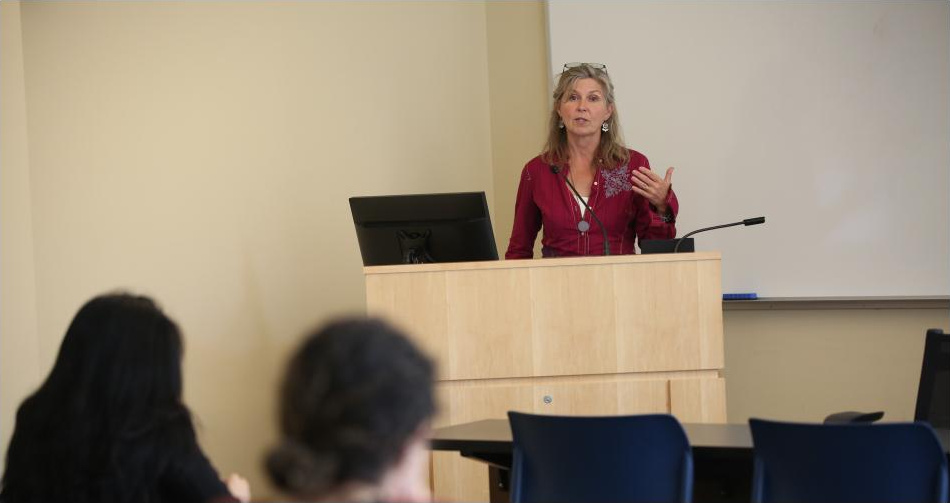
Associate Professor of Design, Ohio State University
“What role can design serve?” This question is posed to university students in an international experiential design-build course with design impact and social justice at its core. Students are our future; what they learn and how they learn to practice design will affect our ever-changing policies, programs, and systems -particularly in the arena of human rights.
In the inaugural Design for Humanity Summit yearbook, Sergio Palleroni stated, “public interest design ... offers promising new models of practice that better serve the growing public needs not being served by society or practice.” This is true; my question is - as a university professor - what models of pedagogy best prepare students to join these practices and/or lead initiatives toward social change, equity, and justice? As educators, our role includes training students in the disciplinary rigors of design. Yet, as social design practitioners, we are additionally responsible for setting a moral tone, identifying ethical expectations, and modeling ways to engage with others, including non-designers, government officials, NGO's, and marginalized populations. Design pedagogy, in this regard, must be broader and more inclusive in its processes of engagement to affect real change. New models of pedagogy are required to prepare students to be ready for the interrelated and complex challenges we face today and tomorrow. Based on a human-centered design approach, the community-engaged teaching we advocate integrates principles of theory U, mindfulness practices, care ethics, and self-awareness to leverage transformative student learning. As such, the model aims to cultivate trust among students, faculty, and community members, fostering collaboration, and igniting collective creativity to stimulate positive social change. As an academic case study, Design Matters in Brazil offers a learning model for public interest and social design practices. It merges design-build learning with socio-cultural exchange through direct and sustained community engagement. Design Matters in Brazil (DMB) brings students from different universities together to address the needs of a vulnerable “street situation” population in São Paulo, Brazil providing students experiential learning in the field.
Over three years, my colleague at Mackenzie Presbyterian University in São Paulo, and I have co-developed the international DMB design-build course to serve the National Movement for the Street Situation population, or “PopRua.” Their vision is our mission: to convert an abandoned building into a resource center to help alleviate the hardships of street living and provide a means to “exit the street” through educational workshops, job placement, culture, and art. CISARTE, Centro de Inclusão Social Pela Arte, Cultura, Trabalho e Educação, is the site for the Design Matters in Brazil course. Each project is community-driven and begins with participatory action research. Students practice reflective journaling and critical consciousness as part of the learning journey. The types of projects designed, built, and installed over two, one-week long periods include: a wayfinding system for the 1500 square meter space, a directory, 4 kitchen tables, 8 dining chairs, a bookshelf, a storage wall, a sound-insulating curtain wall, stools and benches, and vibrantly colored wall graphics, along with photographic images of PopRua members, transforming the space into “place” with vitality and purpose.
One project warrants particular mention as it epitomizes the aims and impact of the design-build course. The poetic inscription project is so named as it captures the aspirational spirit of the people living on the streets. Beyond its functional utility, the storage unit is conceived as a billboard to amplify the unheard voices of the socio-economically marginalized street situation people. During a participatory design research session, students collected aspirational sayings and statements from this underserved population. Together they assembled the quotes, and with the help from PopRua, members created a billboard that graphically displays their words of wisdom, insights, and aspirations to live life with dignity, belonging and community.
This type of experiential learning, working directly with underserved communities, demonstrates that design education can play a role in social justice and contribute to the change we need in the world.
Source & original pages
Transcribed for the web and checked against the original yearbook pages. Line wrapping and page layout have been adapted for screen reading; the authors’ wording is retained. Roles, references and descriptions are those of the original publication.
View the original page layouts