Event archive / 2018-06-22
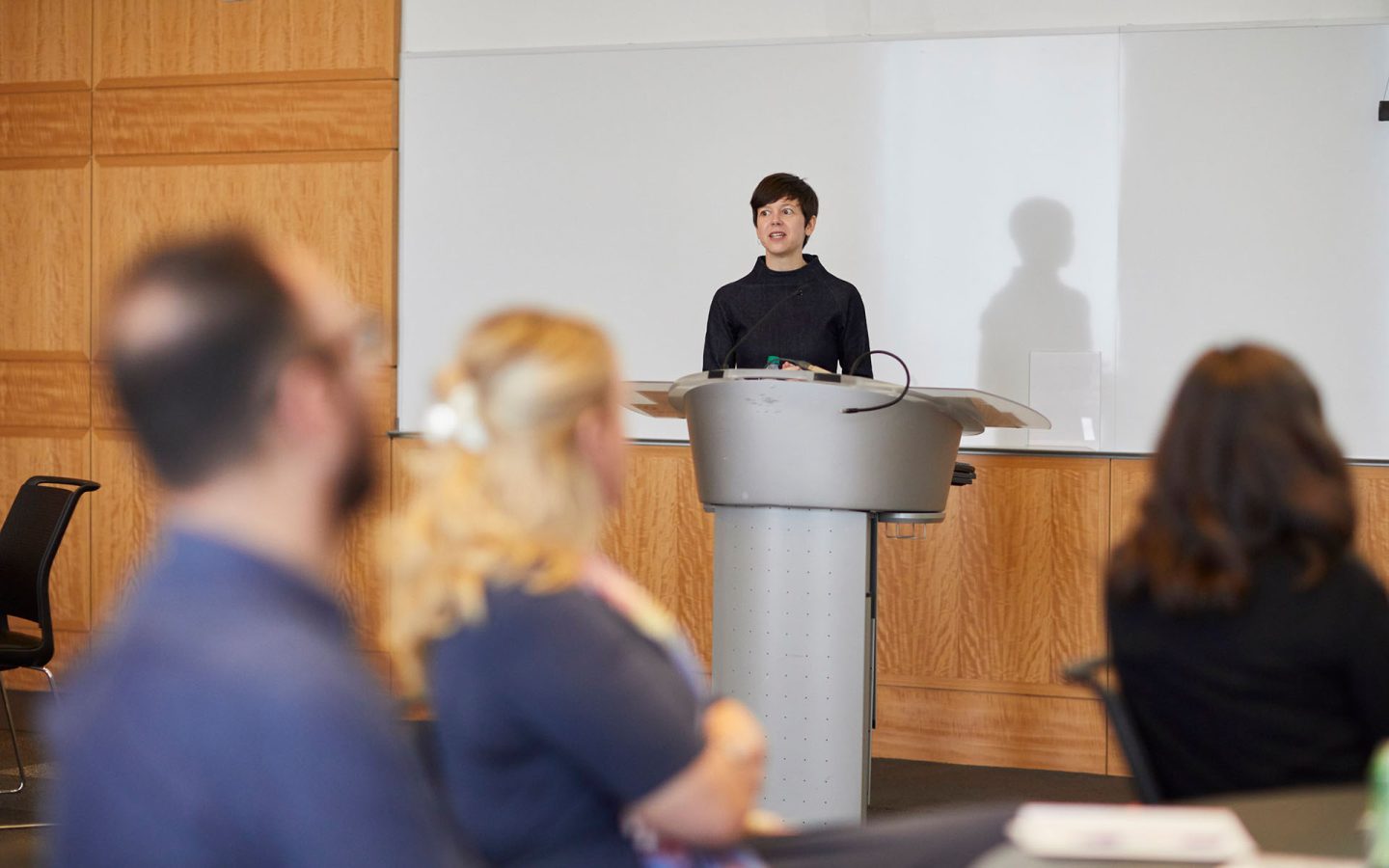
First Design for Humanity Summit
A meeting of humanitarian practitioners and designers at Fordham explored camps and communities, public-interest design, protection, sustainability and advocacy.
Open Event archive JournalSearch
The D4H initiative / Research & archive
Design for Humanity connects research, humanitarian practice and design. The Journal continues a conversation built through gatherings, publications and collaborative projects.
01 / Research agenda
The published Issue 01 themes are a starting point for inquiry across objects, places, services and institutions.
Registration, services, livelihoods and the experience of entering a new place.
Follow arrival from an information point to a service, a livelihood and a place in the city.
Read the issue’s movement lensSupport, information and continuity along journeys.
Read routes as a chain of decisions, waiting places and interruptions.
Read the issue’s movement lensLand, consent, cultural attachment and choices about where to live.
Connect relocation to consent, land, cultural attachment and the right to remain.
Read the issue’s movement lensThe conditions that allow a shelter to become a home.
Look at tenure, maintenance and adaptation alongside shelter provision.
Read the issue’s dwelling lensInfrastructure and services used by displaced and host communities.
Examine the everyday spaces and services shared across communities.
Read the issue’s dwelling lensSafer access to civilian spaces, services and information.
Consider civilian access, uncertainty and information in conflict.
Read the issue’s agency lensEveryday habitability under environmental and public-health stress.
Connect heat, health, climate and daily life.
Read the issue’s dwelling lensMapping, information and the risks of making people visible.
Ask what maps and data reveal, to whom, and with what consequences.
Read the issue’s agency lensParticipation that can change decisions, resources and responsibilities.
Look for authority over decisions and resources, beyond consultation.
Read the issue’s agency lensWays to understand agency, memory and the quality of everyday life.
Bring memory, culture, beauty and agency into the account of humanitarian value.
Read the issue’s agency lensTheme labels follow the Journal’s published call; the questions above are editorial reading prompts. Research agenda at IIHA.
02 / 2018–2019 archive
Two summits brought humanitarian practitioners and designers into the same conversation. Their yearbooks preserve an exchange that predates the Journal.
Event archive / 2018-06-22
A meeting of humanitarian practitioners and designers at Fordham explored camps and communities, public-interest design, protection, sustainability and advocacy.
Open Event archive
Summit archive / 2019-06-21
The second summit connected two questions: how camps can become communities, and how data can become stories that protect rights and preserve memory. Its programme included twelve workshops.
Open Summit archive03 / Collaborative design
Project / exhibition archive / 2020
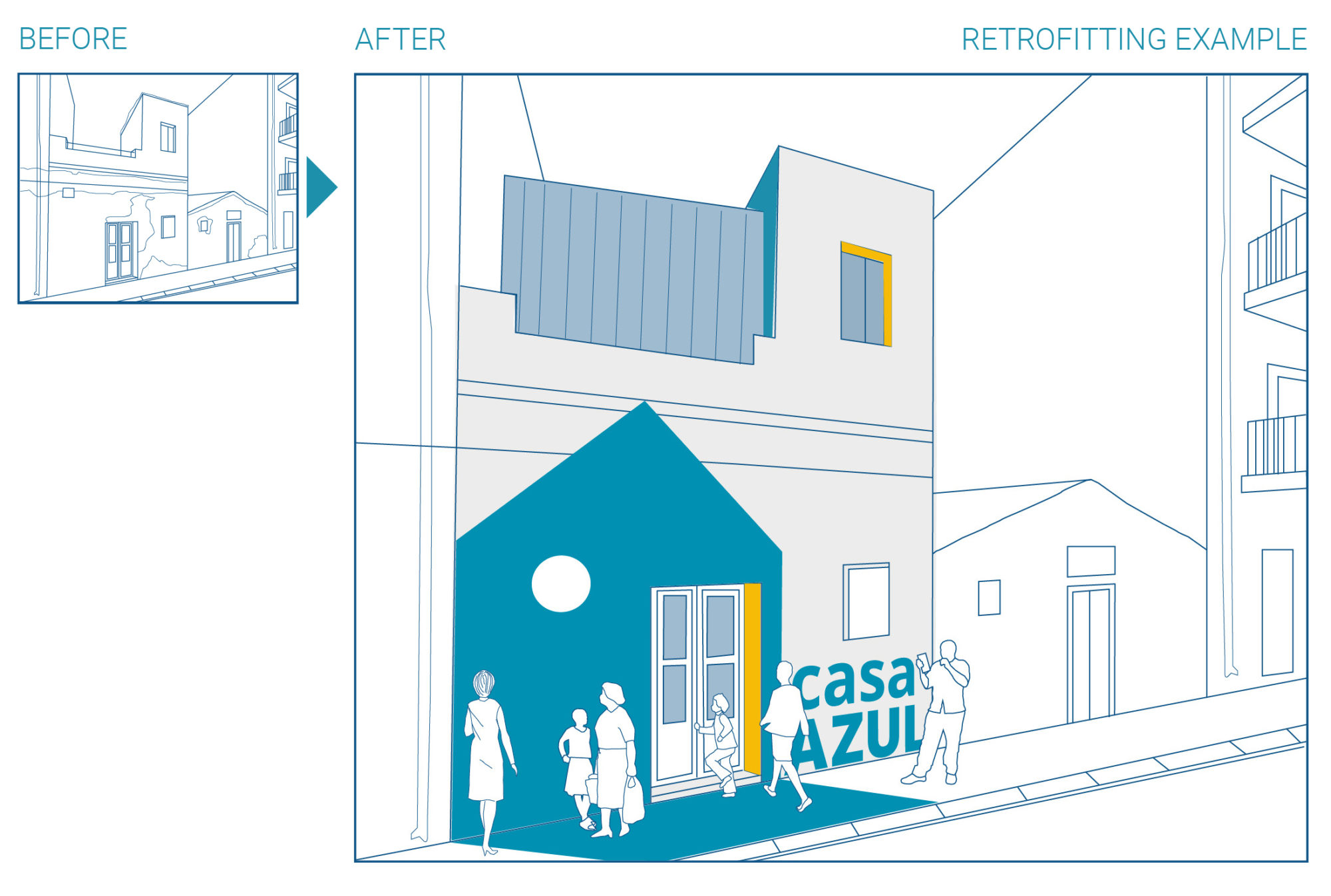
An architectural and research initiative exploring adaptable places for services, information, culture and community exchange along Venezuelan migration routes. The playbook makes its spatial approach inspectable.
Open Project / exhibition archiveRead the Casa Azul design playbook (PDF)Casa Azul brings services, information, culture and social exchange into the same spatial question. Its adaptable approach invites readers to inspect the design choices, rather than stop at a project image.
The museum record and playbook document design work. They do not establish current operating sites or measured beneficiary outcomes.
Continue the “What makes welcome?” trail04 / Press & exhibition archive
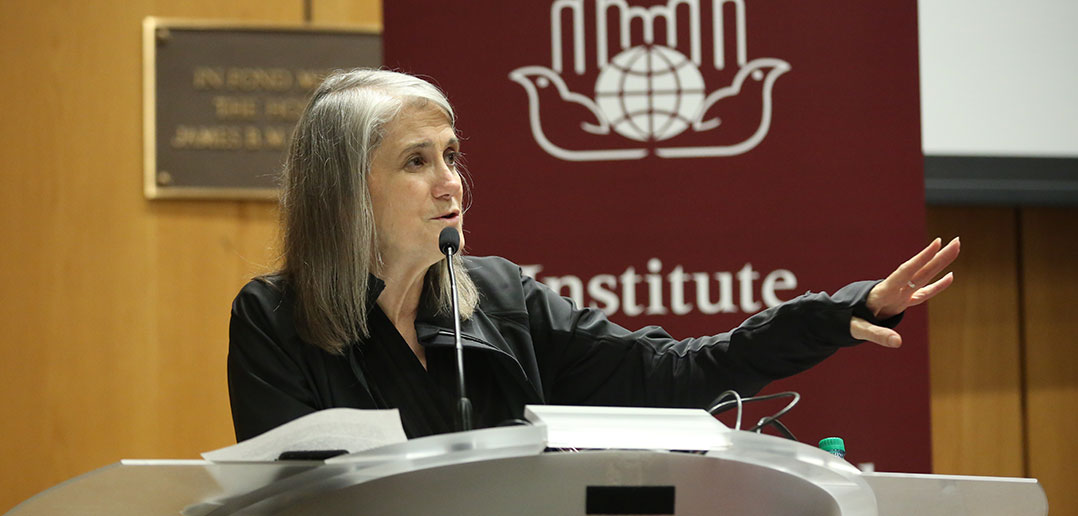
Fordham news archive / 2019-06-25
Fordham's report follows Amy Goodman's contribution to the second summit and its discussion of displacement, dignity and representation.
Open Fordham news archive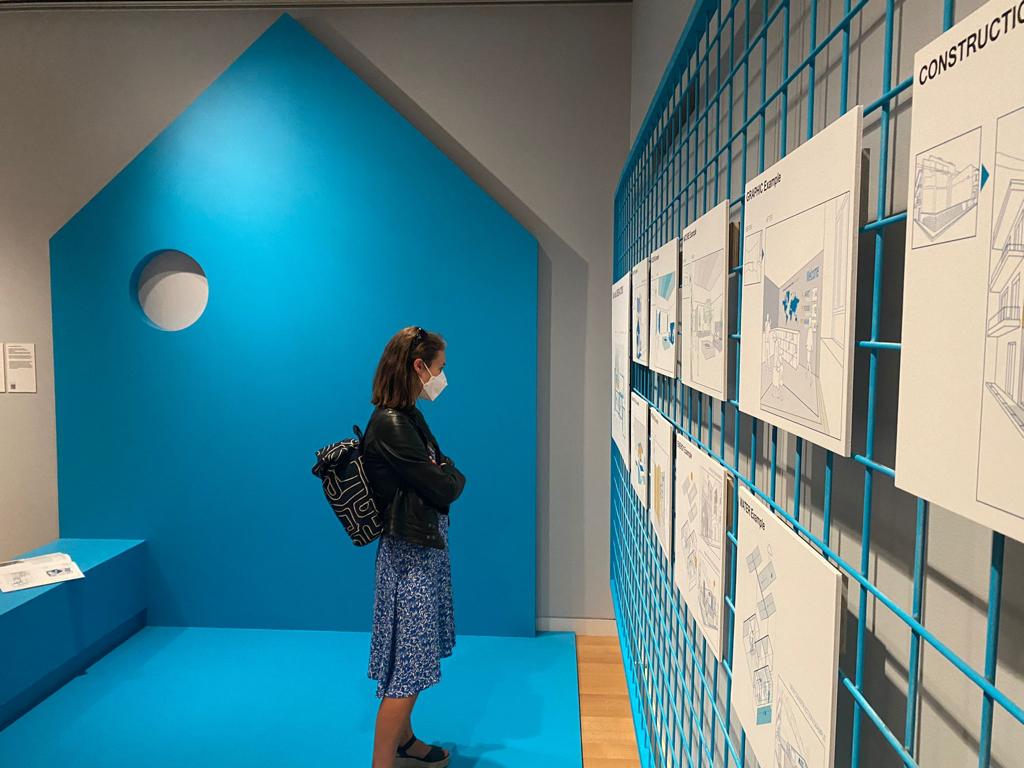
Designer news archive / 2022-06-10
TAMassociati documented Casa Azul's presentation at Cooper Hewitt and its attention to culture, beauty and dignity.
Open Designer news archiveDated archive coverage. Designing Peace’s physical exhibition closed in August 2023; its online archive remains available.
A conversation since 2018
Design for Humanity began by bringing people who design and people who respond to crises into the same conversation.
In his introduction to the first yearbook, Brendan Cahill describes a practical gap: a promising shelter design could fail when transport, water, security and humanitarian policy had not been part of the design process. D4H’s response was to connect disciplines around dignity, usefulness and the experience of the people who would live with the result.
The 2018 and 2019 summits made space for that exchange. Their yearbooks record keynotes, interviews, visual arguments and collaborative workshops. Casa Azul extended the conversation into shared space and cultural infrastructure. The Journal now gives these questions a continuing editorial home.
Read Brendan Cahill’s original introduction
Explore all 66 yearbook entries · Follow the initiative’s research and projects