2019 / workshop
No Lost Generations: A Case and Field Study of Education as a Core Human Right for Refugee Children, from the Holocaust to the Syrian Civil War
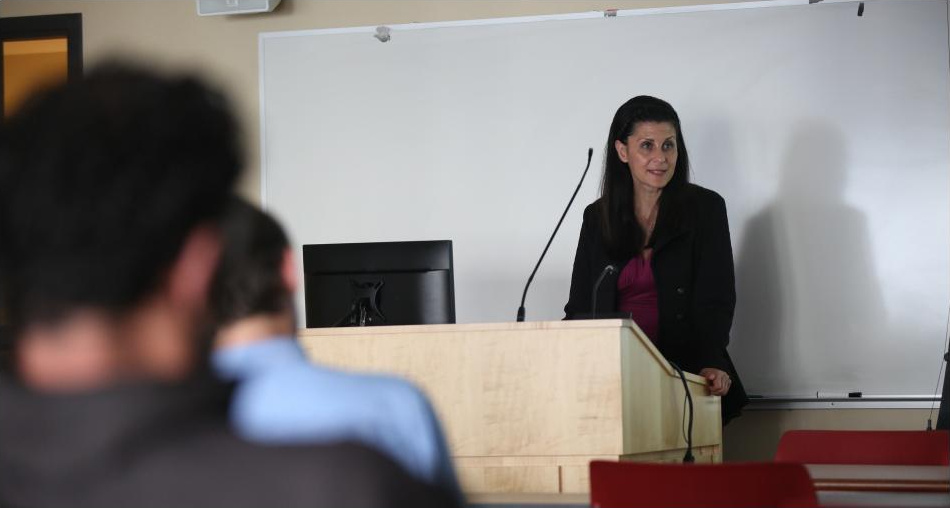
Regional Commissioner for the Unaccompanied Children Refugee in Greece and Syria, UNHCR
Surviving devastating times in past and contemporary history, such as the Holocaust or the ongoing Syrian War, mandates finely-honed skills for coping and adaptation to massive traumatization. When mediating the reaction to emotional, physical, economic, cultural, and psychological stressors, people are forced to utilize defense and coping strategies to deal with unimaginable, devastating horrors.
The Syrian civil war had created an education crisis for the Middle East, just like when the Holocaust, and its aftermath, had created a similar one for Europe. The United Nations High Commissioner for Refugees (UNHCR) estimates that less than 40 percent of Syrian refugee children are enrolled in formal education. While the education of individual Syrian children is under threat, so is the future of Syrian and host-country societies. These regions’ stability and prosperity will depend on ensuring that school-aged children receive the education they need to be resilient to the circumstances they face and can provide for themselves and their families. While Syria's future depends upon its children, a lost generation is being created. This problem, and particularly the effort to solve it, has taken on the moniker "no lost generation," meaning that the world cannot stand by while children, who are forced to flee conflict-plagued areas, become further removed from educational opportunities. Without this generation of child refugees receiving even the most basic education, large portions of the world will face a harsh future without doctors, lawyers, engineers, and teachers needed to rebuild their nations. In the face of this bleak prediction, State governments, United Nations agencies, nongovernmental organizations, and private donors have joined forces behind several initiatives to end this educational crisis for Syrian refugee children.
Traditional humanitarian responses are still based on three core "pillars": food, medicine, and shelter. Less than two percent of humanitarian funding is spent on education, although it is viewed as one of the most - if not the most- promising pathways to non-violent conflict resolution and reconstruction. Food, medicine, and shelter are essential to any humanitarian response for human survival, but educational opportunities have become just as critical. Recently, there has been a critical push by UN agencies and missionaries to prioritize education and make it the "fourth core pillar of humanitarian aid," which is the idea that this workshop was conducted upon. The "fourth core pillar" rationale argues that without children being educated, we as human beings run the risk of creating a future where development stagnates, and chaos, violence, and impunity spurred on by a lack of knowledge run rampant.
Every single child, no matter where they come from or what circumstances surround them, must receive an education. Only then can they realize their full potential of what they are capable of achieving and contributing to human society, thus preventing a vicious cycle of global violence. Even without wide-ranging catastrophic implications, millions of uneducated children form a severe problematic situation simply because the situation is a violation of their human rights.
Source & original pages
Transcribed for the web and checked against the original yearbook pages. Line wrapping and page layout have been adapted for screen reading; the authors’ wording is retained. Roles, references and descriptions are those of the original publication.
View the original page layouts