2018 / article
Design that Heals
The Need For Maternity Waiting Homes
While Malawi has made significant progress to improve maternal and neonatal health outcomes, in 2010 one in every thirty-six Malawian women still has a lifetime risk of dying during pregnancy or delivery. The absence of professional medical oversight during labor is a key driver of maternal and neonatal mortality. In Kasungu District, for instance, only 60 per cent of births are attended by a skilled medical professional. Maternity Waiting Homes seek to encourage safer, facility-based deliveries by housing high-risk and near-term pregnant mothers near health facilities. In the past this model has not proved successful; existing maternity waiting homes lack in space and basic comforts, in ventilation, and in sanitation–making infection control and safety an additional concern.
Designing A Better Solution
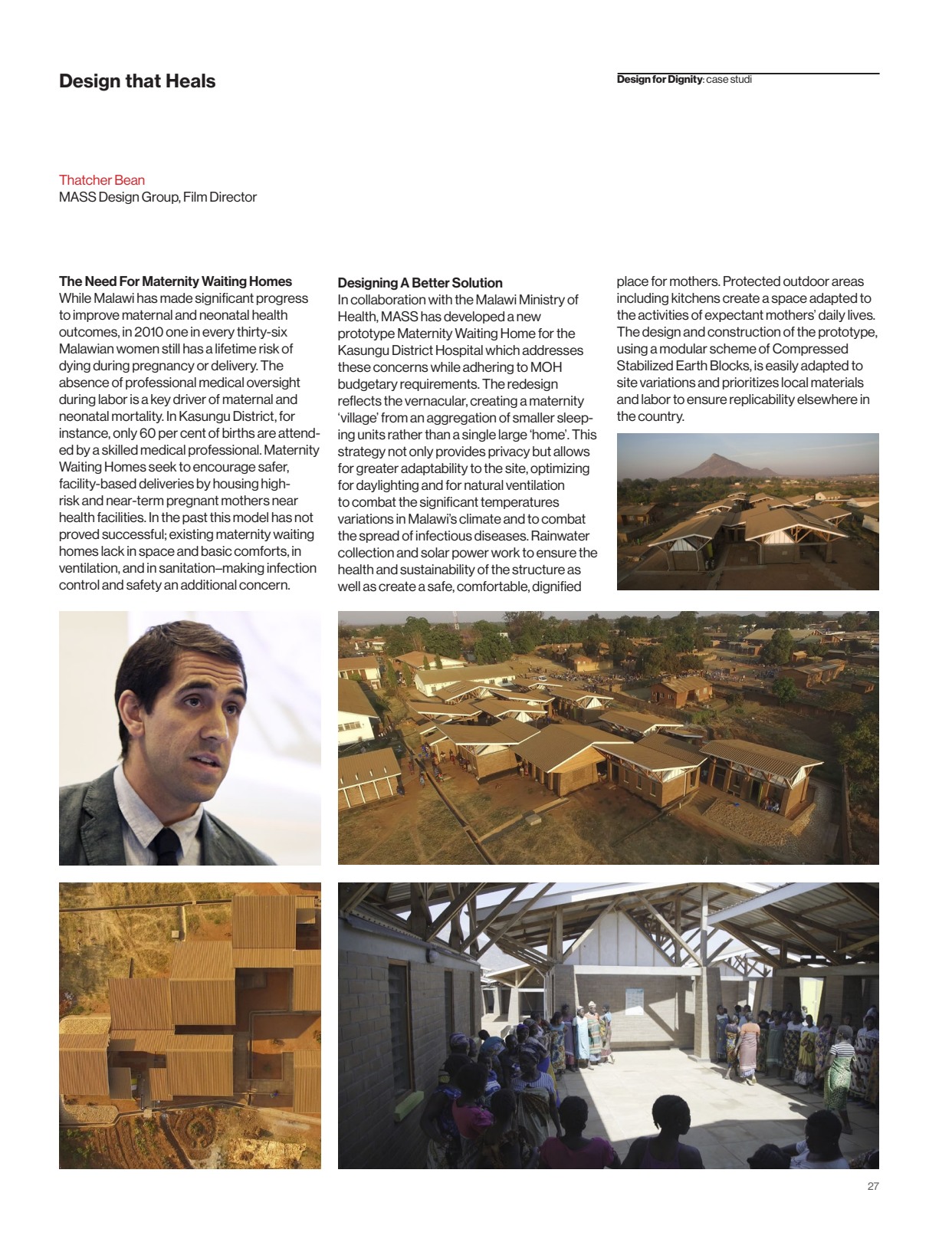
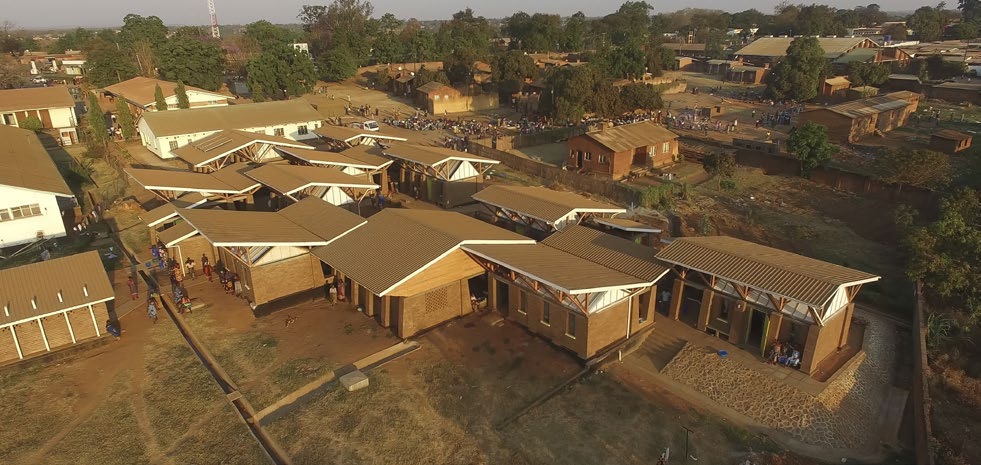
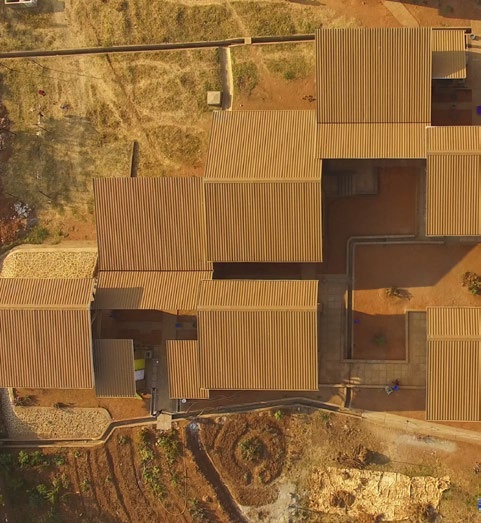
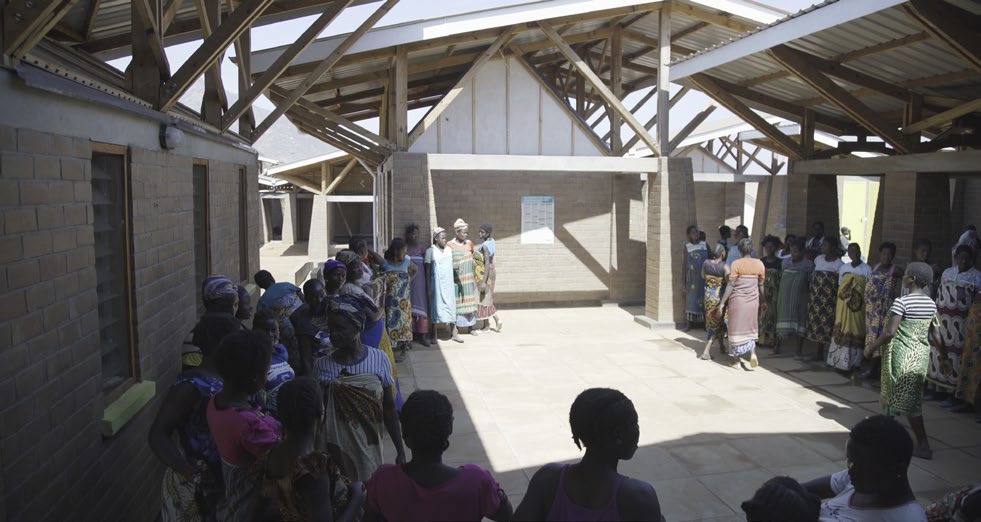
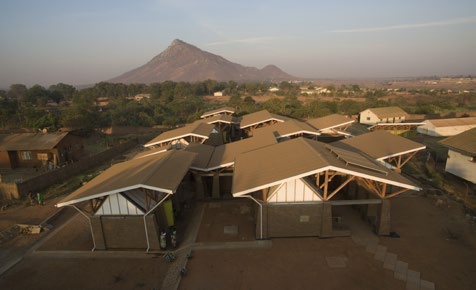
In collaboration with the Malawi Ministry of Health, MASS has developed a new prototype Maternity Waiting Home for the Kasungu District Hospital which addresses these concerns while adhering to MOH budgetary requirements. The redesign reflects the vernacular, creating a maternity ‘village’ from an aggregation of smaller sleeping units rather than a single large ‘home’. This strategy not only provides privacy but allows for greater adaptability to the site, optimizing for daylighting and for natural ventilation to combat the significant temperatures variations in Malawi’s climate and to combat the spread of infectious diseases. Rainwater collection and solar power work to ensure the health and sustainability of the structure as well as create a safe, comfortable, dignified place for mothers. Protected outdoor areas including kitchens create a space adapted to the activities of expectant mothers’ daily lives.
The design and construction of the prototype, using a modular scheme of Compressed Stabilized Earth Blocks, is easily adapted to site variations and prioritizes local materials and labor to ensure replicability elsewhere in the country.

Source & original pages
Transcribed for the web and checked against the original yearbook pages. Line wrapping and page layout have been adapted for screen reading; the authors’ wording is retained. Roles, references and descriptions are those of the original publication.
View the original page layouts