2018 / article
City-Scaled Self-Recovery: The Case of Canaan
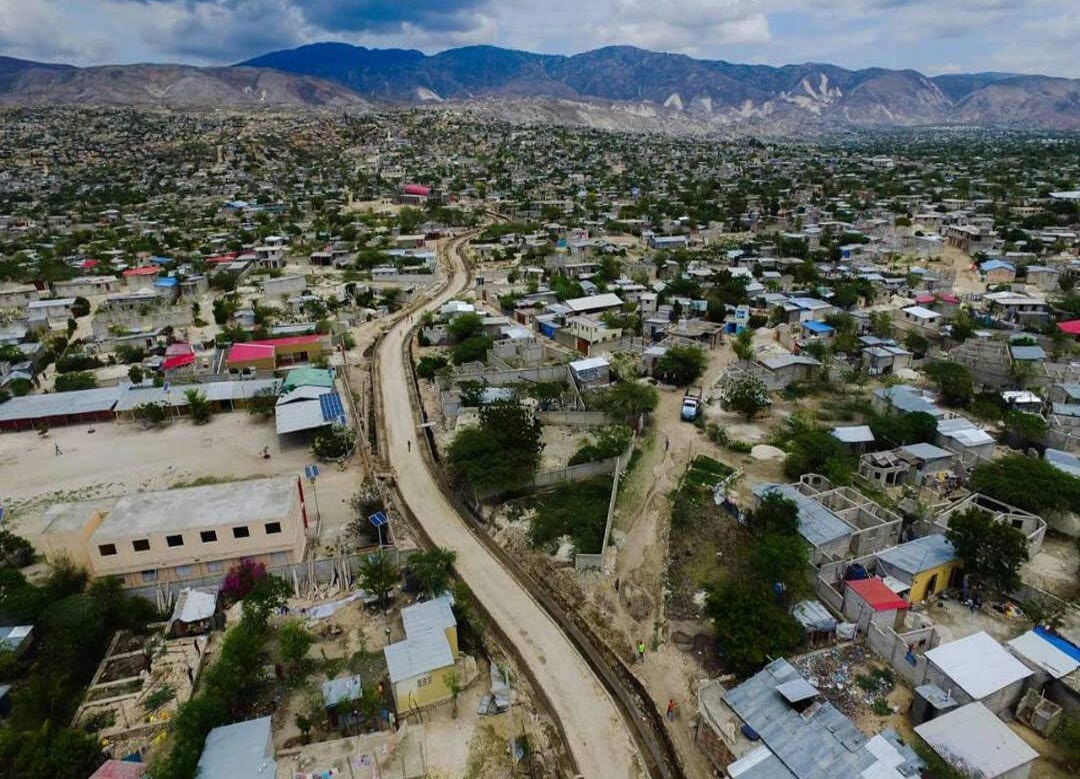
With a population estimated by the American Red Cross at over 300,000, Canaan could now be considered Haiti’s third largest city, nestled 15 kilometeres north of Port au Prince.
It is the product of the hope and dogged determination of Haiti’s earthquake affected families to create their vision of a new life and new city.
Canaan grew exponentially and unexpectedly from the displaced persons Camp Corail, established in May 2010 by the government and international actors, which was meant to be ‘temporary’. However, by 2013, the area had rapidly urbanized and the UN estimated that Canaan residents had invested over $100 million of their own funds in home and infrastructure construction. The settlement includes over 500km of dirt roads, a network of informal electricity connections, and over 200 schools and churches.
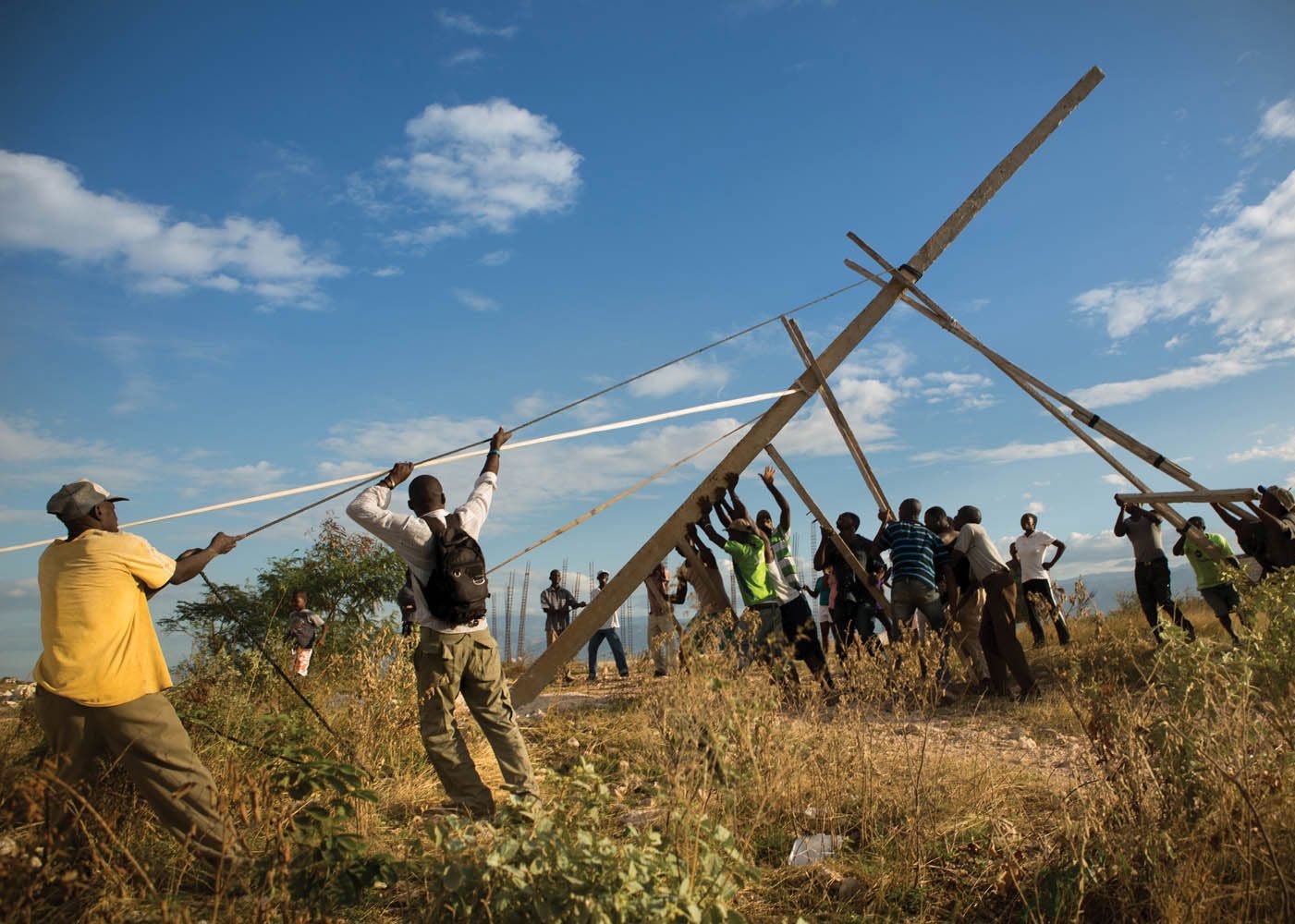
While Canaan residents built this informal city, much of the international community and government focused earthquake recovery efforts elsewhere. They were unsure how to navigate the legal and political grey area caused by this unplanned urbanization, so Canaan evolved independently. However, families were also reconstructing pre-earthquake vulnerabilities: Canaan has the highest persistence of cholera in Haiti, and infrastructure and home construction is of poor quality.
Humanitarians should respect this capacity of disaster-affected families to lead recovery.
They must also have the courage to navigate grey political areas, and prioritize supporting these affected families to rebuild their lives and communities safely.
By 2015, a coalition of national and international actors led by the Haitian government recognized the proto-city and its growing need for regularization and basic services.
This was accompanied by over $15 million in funding for things like clean water, roads and the first public school.
This bold leadership by the government and subsequent program in Canaan was not inevitable. It depended upon the persistent dedication of technical staff in government and international agencies, individuals willing to navigate political grey areas, willing to work across organizational boundaries, and willing to face the risk of not acting.
Source & original pages
Transcribed for the web and checked against the original yearbook pages. Line wrapping and page layout have been adapted for screen reading; the authors’ wording is retained. Roles, references and descriptions are those of the original publication.
View the original page layouts