2018 / article
Beauty in Poverty And War, Not Just a Utopian Vision
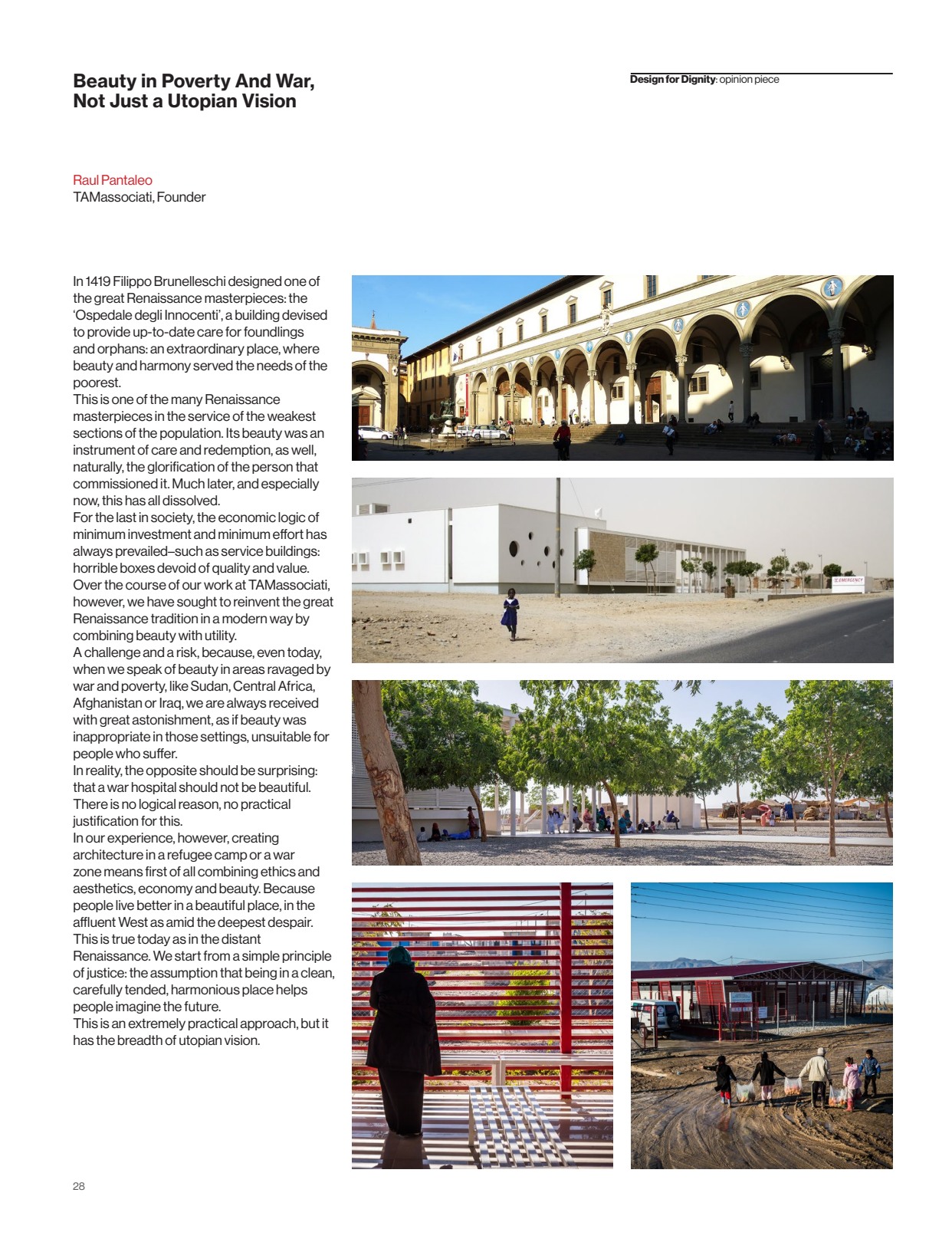
In 1419 Filippo Brunelleschi designed one of the great Renaissance masterpieces: the ‘Ospedale degli Innocenti’, a building devised to provide up-to-date care for foundlings and orphans: an extraordinary place, where beauty and harmony served the needs of the poorest.
This is one of the many Renaissance masterpieces in the service of the weakest sections of the population. Its beauty was an instrument of care and redemption, as well, naturally, the glorification of the person that commissioned it. Much later, and especially now, this has all dissolved.
For the last in society, the economic logic of minimum investment and minimum effort has always prevailed–such as service buildings: horrible boxes devoid of quality and value.
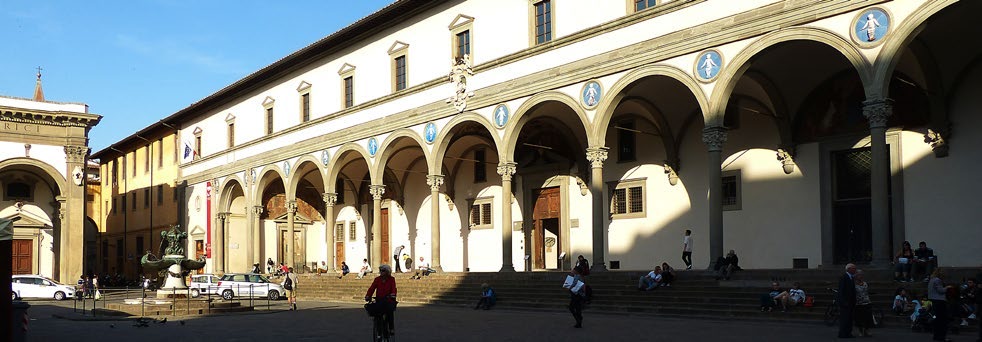
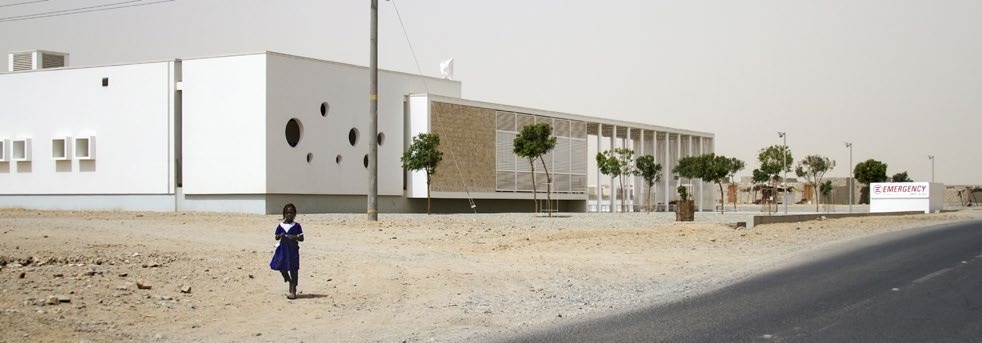
Over the course of our work at TAMassociati, however, we have sought to reinvent the great Renaissance tradition in a modern way by combining beauty with utility.
A challenge and a risk, because, even today, when we speak of beauty in areas ravaged by war and poverty, like Sudan, Central Africa, Afghanistan or Iraq, we are always received with great astonishment, as if beauty was inappropriate in those settings, unsuitable for people who suffer.
In reality, the opposite should be surprising: that a war hospital should not be beautiful.
There is no logical reason, no practical justification for this.
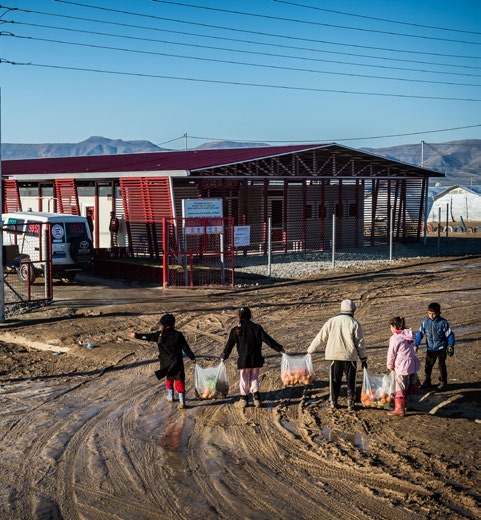
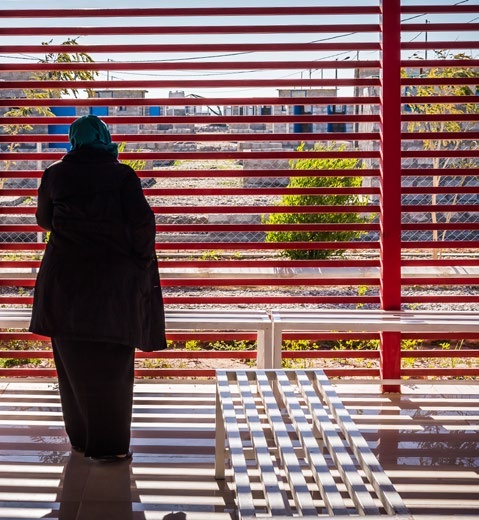
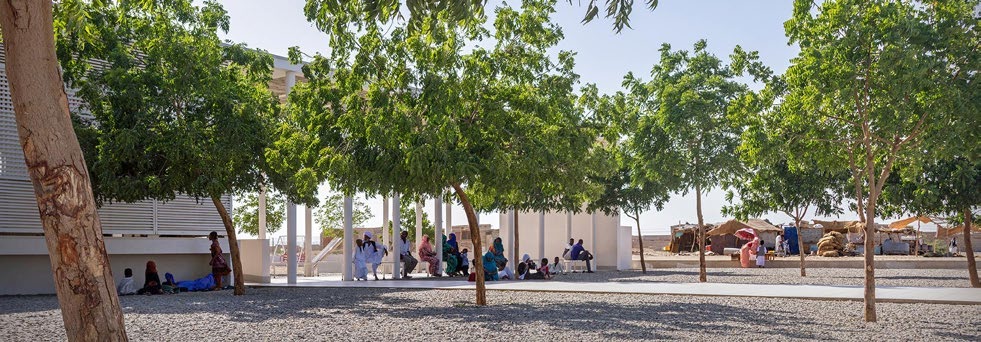
In our experience, however, creating architecture in a refugee camp or a war zone means first of all combining ethics and aesthetics, economy and beauty. Because people live better in a beautiful place, in the affluent West as amid the deepest despair.
This is true today as in the distant Renaissance. We start from a simple principle of justice: the assumption that being in a clean, carefully tended, harmonious place helps people imagine the future.
This is an extremely practical approach, but it has the breadth of utopian vision.
Source & original pages
Transcribed for the web and checked against the original yearbook pages. Line wrapping and page layout have been adapted for screen reading; the authors’ wording is retained. Roles, references and descriptions are those of the original publication.
View the original page layouts